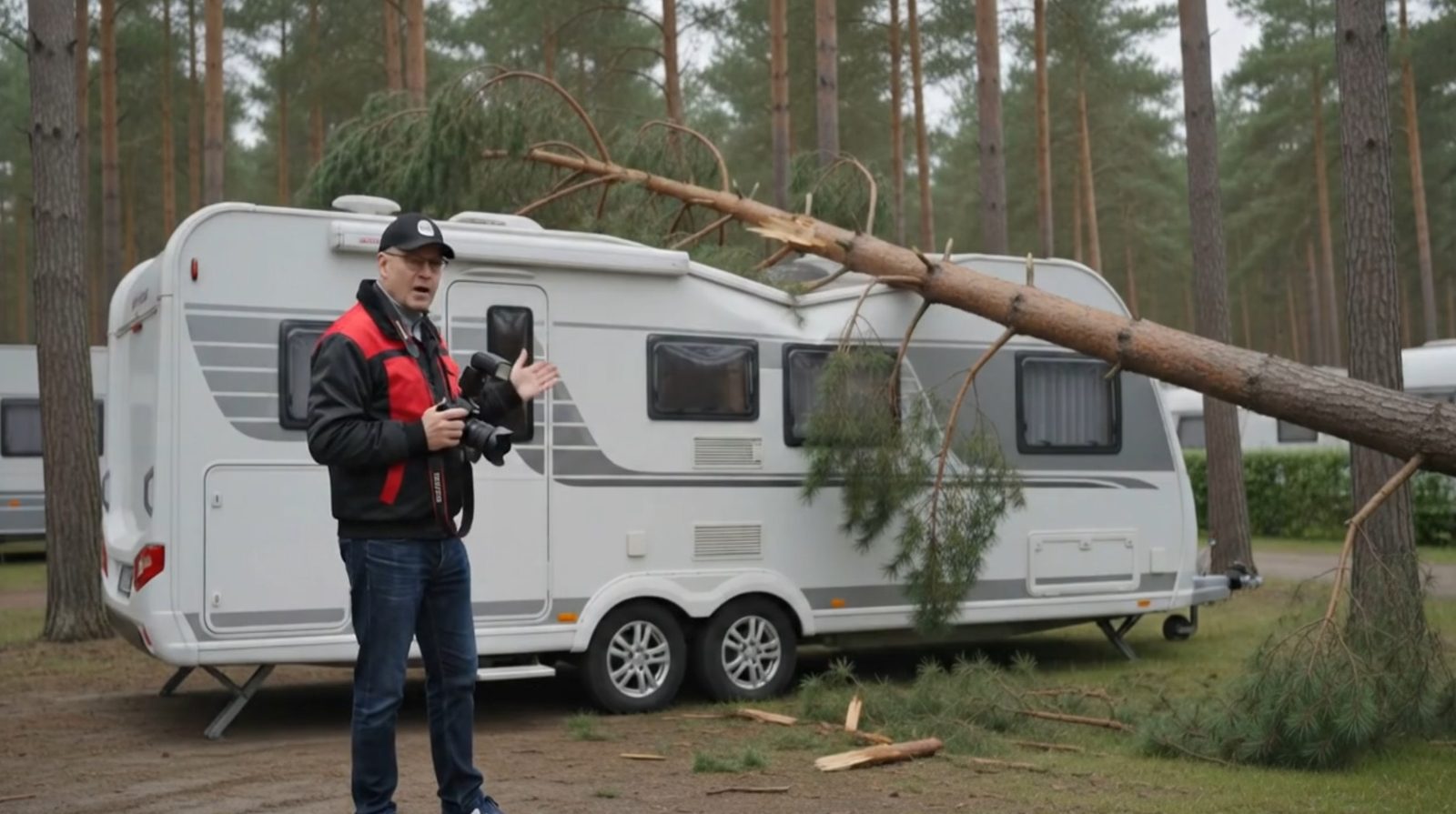
How an On-Site Damage Appraisal Works: From First Photograph to Report
You send photographs by WhatsApp. We tell you within hours whether anything must be secured before the vehicle is touched. A certified appraiser then travels to the vehicle, inspects it where it stands, and issues a report in the language of the insurer handling the claim.
Why the sequence matters more than the speed
Most damaged vehicles abroad are moved, cleaned, tarpaulined or partially repaired before anyone has recorded what happened to them. Every one of those actions destroys evidence, and the evidence is what the claim is built on. A settlement is not decided by how badly the vehicle looks. It is decided by what can be proved about cause, extent and value.
The sequence below is designed around that single constraint: establish and preserve the facts first, then decide what to do with the vehicle.
Step 1 — First contact and photographs
Send photographs by WhatsApp along with the location and a one-line description of what happened. Wide shots first, then detail. Do not clear debris, do not fold the awning away, do not sweep hailstones off the roof, do not move the vehicle unless it is obstructing traffic or unsafe where it stands.
What we need at this stage is not a complete survey. It is enough information to answer two urgent questions: does anything have to be secured immediately, and is the vehicle safe to leave where it is.
Step 2 — Triage
Triage produces three answers, usually within a couple of hours of the first photographs:
- Immediate hazards. Gas system integrity after a fire or impact, live electrics after water ingress, loose roof structures that could detach in transit, glass that could fail.
- What must not be touched. A local operator will often offer to start work the same day. Before the damage is recorded, that offer costs you far more than it saves.
- Whether the vehicle may be moved. Sometimes a vehicle should be relocated off an exposed pitch before further weather arrives. That decision needs to be made deliberately, with the current state photographed first.
Step 3 — On-site inspection
The appraiser travels to the vehicle. Inspection takes place at the pitch, at a local garage, at a recovery yard, or wherever the vehicle currently stands. Nothing is transported anywhere for the purpose of the appraisal.
The inspection records, at minimum: identification of the vehicle and its build; the cause and mechanism of damage; the full extent of damage including areas not visible from ground level; the condition of the base vehicle, chassis and running gear; the state of accessories and fitted equipment; and any pre-existing damage or deterioration unrelated to the event. That last item matters. Separating the insured event from what was already there is what makes a report credible to an insurer, and what protects you if the point is later challenged.
Step 4 — The report
The report is written in the language of the insurer handling the claim. A German policy means a German report. Documents obtained locally — police record, garage estimate, campsite operator statement, meteorological confirmation of a storm or hail event — are attached as annexes with translation.
Content of the report: cause and mechanism, extent, repair method and cost, replacement value, residual value, roadworthiness assessment, and where relevant a comparison between local repair and transport home. Photographic documentation throughout.
Step 5 — If the amount is disputed
In a comprehensive claim the insurer appoints its own assessor. Where the two figures do not meet, German insurance contract law provides an expert determination procedure under section 84 VVG, mirrored in the policy conditions. Each side appoints an expert, the two appoint a third as chair, and the finding binds both parties as to the amount of the loss.
That procedure is a technical one. MOTOEXPERT acts in it as the policyholder's appointed expert. It is not legal representation, and where legal representation is needed the matter goes to a Fachanwalt für Verkehrsrecht.
What this process does not include
We do not negotiate with your insurer, correspond with it on your behalf, or conduct your claim. We establish and document the technical facts and the figures that follow from them. The distinction is not cosmetic — it is the boundary between an appraiser and a legal representative, and it is a boundary we do not cross.
Frequently asked questions
How long does the whole process take?
First response within hours of your photographs. Inspection typically within two to three days depending on country and access. Report normally within a few working days of inspection, faster where a decision on moving the vehicle is waiting on it.
Do I need to be present at the inspection?
It helps but is not always necessary. What matters is access to the vehicle and its keys, and someone who can describe what happened.
Can the inspection happen at a garage rather than the campsite?
Yes. Pitch, garage, recovery yard, storage compound — wherever the vehicle currently is.
What if the vehicle has already been moved before I contacted you?
It is still worth an inspection. Some evidence will be gone, and the report will say so plainly rather than pretend otherwise, but extent and value can still be established.
More on how we work
- Inspection Response Times Across Europe
- Who Pays for the Appraisal in a Comprehensive Claim
- Damage Photo Checklist for Motorhomes and Caravans
Damage now? Send photographs before the vehicle is moved.
This page describes the standard pattern of the German motor insurance market and is general information, not advice on your individual contract. Cover always follows your own policy conditions. MOTOEXPERT is a network of certified automotive appraisers (Kfz-Sachverständige). We produce independent technical reports. We do not provide legal representation. Named places and makes are descriptive references only; no commercial connection with their proprietors is stated or implied. All trademarks belong to their respective owners.