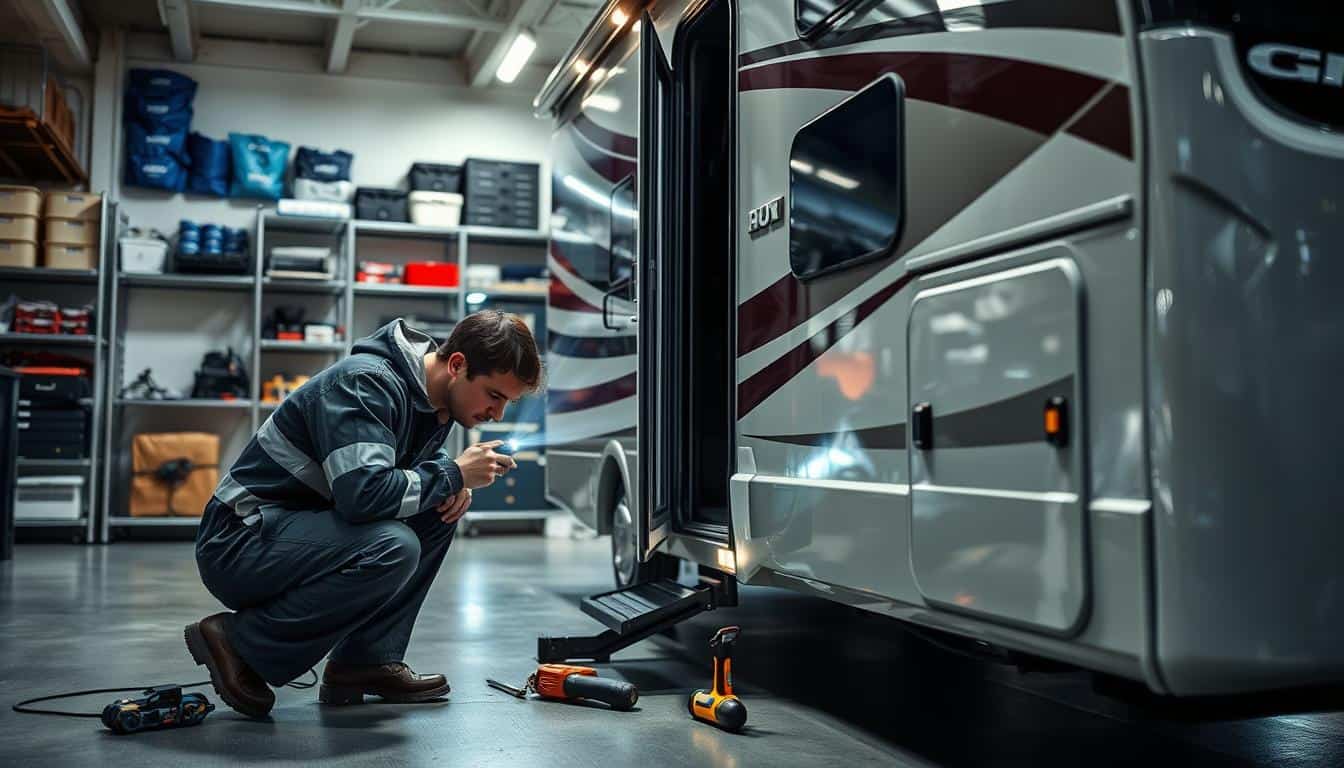
Owning a recreational vehicle is a significant investment that brings freedom and adventure to your life. To protect this asset, performing a regular motorhome structural damage check is essential for maintaining safety and long-term value.
Proactive maintenance helps you identify hidden issues before they become costly repairs. By following this guide, you can navigate the complexities of assessment with total confidence and clarity.
Our goal is to provide the resources you need to safeguard your vehicle. This approach also helps streamline any potential insurance claims, ensuring you stay prepared for the road ahead.
Key Takeaways
- Regular inspections protect your significant financial investment.
- Early detection of issues ensures your family’s safety on the road.
- Professional oversight maintains the long-term value of your vehicle.
- Clear assessment processes simplify complex insurance claim procedures.
- Proactive care prevents minor problems from becoming expensive repairs.
Understanding the Importance of Structural Integrity
A motorhome is more than just a vehicle; it is a complex home that requires constant structural care. Performing a regular Motorhome structural integrity review ensures that your vehicle remains a safe sanctuary for your travels. By looking beyond the surface, you protect the long-term value of your investment.
Why Structural Integrity Matters for Motorhomes
The structural framework acts as the skeleton of your motorhome, supporting everything from the roof to the chassis. When this foundation weakens, the entire living space becomes compromised. Hidden internal issues often develop slowly, remaining invisible to the untrained eye until they cause significant damage.
Prioritizing a Motorhome structural integrity review allows you to catch these silent threats early. A sound structure ensures that your home on wheels can withstand the rigors of the road. It also maintains the safety of the occupants during transit and while parked.
“The longevity of a motorhome is directly tied to the health of its frame and seals. Neglect is the primary enemy of every recreational vehicle owner.”
Common Risks of Structural Damage
Structural damage often stems from persistent environmental exposure and mechanical stress. Over time, the constant vibration of driving can loosen fasteners and weaken joints. Water intrusion is another major risk, as it silently rots wood framing and corrodes metal supports.
The following table outlines the potential impact of ignoring these structural risks:
| Risk Factor | Potential Consequence | Severity Level |
|---|---|---|
| Water Leaks | Wood rot and mold growth | High |
| Chassis Stress | Alignment issues and cracks | Critical |
| Sealant Failure | Internal wall damage | Moderate |
Benefits of Regular Inspections
Scheduling a professional Motorhome structural integrity review provides peace of mind that is truly invaluable. Proactive inspections help you identify minor wear before it escalates into a major, costly repair. This approach saves you money and keeps your vehicle on the road longer.
Consistent maintenance also preserves the resale value of your motorhome. Buyers are far more likely to trust a vehicle with a documented history of structural care. Taking action today ensures that your future adventures remain safe and worry-free.
Signs Your Motorhome May Have Structural Damage
You can protect your investment by learning to spot the early warning signs of structural wear. Catching these issues early often prevents expensive long-term damage to your vehicle’s frame and shell.
Visible Cracks and Dents
Performing a regular RV exterior inspection is essential for maintaining your vehicle’s integrity. Look closely at the corners of windows and doors, as these areas are prone to stress fractures.
Small dents might seem harmless, but they can compromise the outer seal of your motorhome. If you notice deep scratches or impact marks, address them immediately to prevent moisture from seeping into the wall panels.
Uneven Floors and Walls
A thorough Motorhome bodywork inspection should include checking the interior for subtle shifts. If you notice that your cabinets no longer close properly or the floor feels soft in certain spots, this may indicate frame stress.
These shifts often suggest that the underlying structure is struggling to support the weight of the vehicle. A professional Camper body condition assessment can help determine if these issues are minor settling or signs of serious structural failure.
Water Damage Indicators
Water is the silent enemy of any motorhome owner. Conducting a detailed Camper roof and sidewall review helps you identify leaks before they cause rot or mold growth.
Look for discoloration on the ceiling or walls, which often signals a hidden leak. You should also check for a musty smell, as this is a strong indicator that moisture has trapped itself inside the insulation.
| Warning Sign | Potential Issue | Action Required |
|---|---|---|
| Window Cracks | Frame Stress | Seal and Monitor |
| Soft Flooring | Water Intrusion | Professional Repair |
| Wall Discoloration | Roof Leak | Reseal Roof |
| Sticking Doors | Structural Shift | Frame Alignment Check |
Common Causes of Structural Damage in Motorhomes
Protecting your investment starts with recognizing the common culprits behind structural wear and tear. Every mile driven and every season passed contributes to the natural aging of your vehicle. A thorough RV body frame evaluation is essential to catch these issues before they become costly repairs.
Road Conditions and Off-Roading
Driving on uneven terrain or poorly maintained highways puts immense pressure on your vehicle. Constant vibrations and sudden jolts can lead to metal fatigue and misalignment over time. A regular Camper chassis examination helps identify stress fractures that occur when you push your rig beyond standard road use.
Weather Elements and Climate Effects
Nature is often the toughest opponent for any motorhome owner. Persistent exposure to extreme heat, freezing temperatures, and heavy rain causes materials to expand and contract. This cycle weakens seals and joints, making a consistent Camper roof and sidewall review vital for preventing water intrusion.
Impact from Accidents
Even minor collisions can cause hidden shifts in the structural geometry of your motorhome. While the exterior might look fine, the internal framework could be compromised. It is crucial to inspect the entire structure after any impact to ensure the safety of your passengers.
| Cause of Damage | Primary Impact Area | Recommended Action |
|---|---|---|
| Off-Roading | Chassis and Suspension | Professional Alignment Check |
| Extreme Weather | Roof and Sidewalls | Sealant Inspection |
| Road Vibrations | Frame Welds | Detailed Visual Scan |
| Accident Impact | Structural Geometry | Certified Frame Assessment |
By staying proactive, you can extend the life of your vehicle significantly. Remember that a consistent RV body frame evaluation and a detailed Camper chassis examination are your best defenses. Always prioritize a Camper roof and sidewall review after returning from long trips to ensure everything remains secure.
Preparing for a Motorhome Structural Damage Check
A successful RV structural damage assessment starts long before you pick up a flashlight. Taking the time to organize your workspace and gather the right gear ensures that you do not miss critical details. Proper preparation turns a daunting task into a manageable and effective process.
Gather Essential Tools and Equipment
To perform a thorough motorhome structural damage check, you need more than just your eyes. Having the right tools helps you identify hidden moisture or weak spots that are not visible to the naked eye. Consider keeping these items in your kit:
- Moisture meter: Essential for detecting water intrusion behind walls.
- High-quality camera: Use this to document any findings for future reference or insurance claims.
- Bright LED flashlight: Necessary for inspecting dark corners and the undercarriage.
- Sturdy ladder: Required for a safe RV exterior inspection of the roof seals.
Location: Where to Inspect Your Motorhome
Choosing the right environment is just as important as the tools you use. Always park your vehicle on a perfectly level surface to ensure that any frame twisting or unevenness is accurately identified. A flat concrete pad or a paved driveway works best for this purpose.
Furthermore, ensure you have access to plenty of natural light. If you are working in a garage, use portable work lights to illuminate the sides and roof. Good visibility is the foundation of a reliable assessment.
Safety Precautions to Consider
Your well-being must remain the top priority throughout the entire process. Never attempt to climb onto the roof if you feel unsteady or if the surface is wet and slippery. Always use a spotter when working at heights to ensure your ladder remains stable.
When inspecting the chassis, ensure the motorhome is properly blocked and supported. Never rely solely on hydraulic jacks while crawling underneath the vehicle. By following these safety protocols, you can focus on the task at hand with complete peace of mind.
The Structural Inspection Process Explained
Understanding the condition of your vehicle starts with a detailed and methodical inspection process. By following a consistent routine, you can perform a reliable Motorhome structural damage check that helps you catch potential issues before they become major safety hazards.
Step-by-Step Guide to Conducting Your Check
To begin, find a level surface where you can safely walk around the entire perimeter of your vehicle. A proper Camper chassis examination requires you to look underneath the vehicle for signs of rust, bent metal, or loose bolts that could compromise stability.
- Start at the front bumper and work your way clockwise around the exterior.
- Use a flashlight to inspect the undercarriage for any signs of frame fatigue.
- Check all exterior seals and joints for gaps or signs of separation.
- Document every finding with clear notes and photographs for future reference.
Key Areas to Focus On
Focusing on specific zones ensures that no critical component is overlooked during your Motorhome structural integrity review. You should pay close attention to the connection points between the living quarters and the base frame.
An RV body frame evaluation is essential for identifying stress points that often develop after long trips on rough terrain. Additionally, a thorough Motorhome bodywork inspection will reveal if there is any hidden moisture trapped behind the exterior panels, which often leads to rot or structural weakening.
How to Evaluate Findings
Once you have gathered your data, you must determine if the issues require immediate professional attention. Minor surface rust might be manageable with a DIY treatment, but structural cracks or significant frame misalignment are serious red flags.
If you discover deep fractures in the metal or signs of significant water intrusion, it is time to consult a specialist. Prioritizing safety over cost-saving measures is the best way to protect your investment and ensure your motorhome remains roadworthy for years to come.
Working with Professionals for Inspections
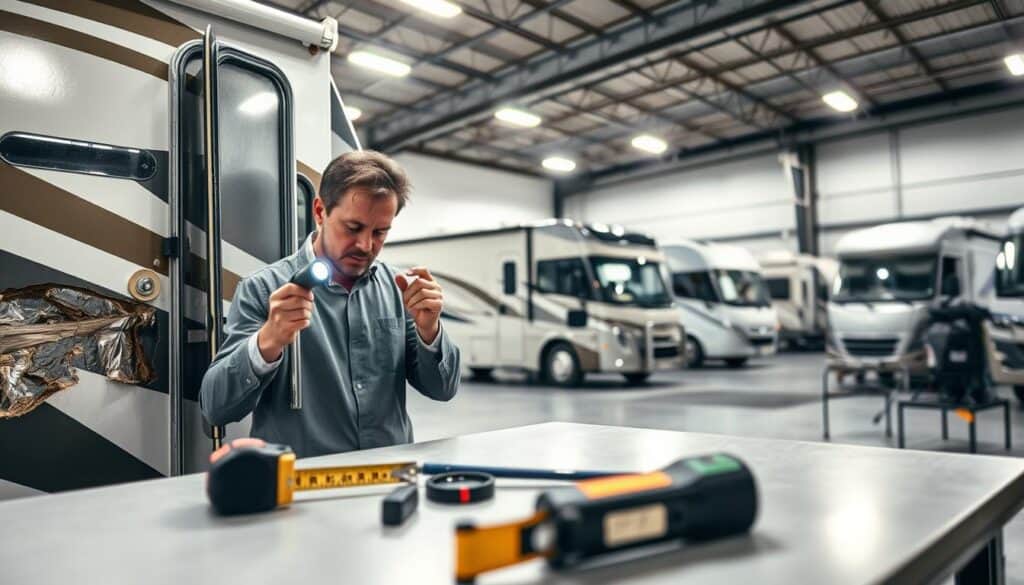
While DIY checks are helpful, there are moments when only a professional can provide the peace of mind you need. Relying on a certified expert ensures that hidden vulnerabilities are identified before they become major safety hazards. A Motorhome structural integrity review is often the most reliable way to maintain your vehicle’s long-term value.
When to Hire a Professional Inspector
You should consider hiring a specialist if you are preparing to sell your vehicle or if you have recently been involved in a collision. Insurance companies often require a formal RV structural damage assessment to process claims accurately. Furthermore, if you notice recurring leaks or shifting walls that you cannot diagnose, a professional has the experience to pinpoint the root cause.
What to Expect During a Professional Check
During a professional visit, experts utilize advanced diagnostic tools that go far beyond standard visual inspections. They often employ moisture meters, thermal imaging cameras, and ultrasonic thickness gauges to detect hidden rot or frame fatigue. You can expect a comprehensive report that details every finding, providing you with a clear roadmap for any necessary repairs.
Costs Involved with Professional Inspections
While there is an upfront fee for these services, it is best to view this as a strategic investment in your safety. A professional inspection can prevent costly, unexpected breakdowns and significantly boost your resale value. Below is a comparison to help you understand the differences between a standard check and a professional evaluation.
| Feature | DIY Inspection | Professional Inspection |
|---|---|---|
| Diagnostic Tools | Basic visual tools | Advanced thermal/moisture sensors |
| Documentation | Personal notes | Certified formal report |
| Insurance Validity | Not accepted | Accepted for claims |
| Cost Level | Low (Time-based) | Moderate (Service fee) |
Repairing Motorhome Structural Damage
Repairing your motorhome after discovering structural flaws requires a strategic approach to balance safety and budget. A thorough Camper body condition assessment serves as the foundation for any restoration project. By identifying the root cause of the damage, you can ensure that your repairs are both effective and long-lasting.
Common Repair Methods
The methods used for repairs depend heavily on the materials involved and the severity of the damage. For minor issues, simple patching or sealing may suffice to prevent further moisture intrusion. However, more significant structural failures often require advanced techniques like frame welding or complete panel replacement.
It is vital to use high-quality materials that match the original specifications of your vehicle. Using incompatible parts can lead to further degradation over time. Always ensure that the repair process addresses the underlying structural weakness rather than just the cosmetic symptoms.
DIY Repairs vs. Professional Help
Deciding between a do-it-yourself approach and hiring a professional is a major choice for any owner. While DIY projects can save money, they carry significant risks if you lack specialized training. A professional RV body frame evaluation provides the expertise needed to handle complex structural integrity issues safely.
Professionals have access to specialized tools and diagnostic equipment that most owners do not possess. They can identify hidden damage that might be missed during a casual inspection. Investing in professional help often pays off by preventing recurring issues and maintaining the vehicle’s resale value.
Costs Associated with Repairs
Budgeting for repairs is an essential part of the RV structural damage assessment process. Costs vary widely based on the extent of the damage and the labor required for the fix. Small, localized repairs might only cost a few hundred dollars, while major frame work can run into the thousands.
To manage your budget effectively, consider the following breakdown of typical expenses:
- Material Costs: High-grade sealants, metal plating, or replacement panels.
- Labor Fees: Professional hourly rates for certified technicians.
- Diagnostic Fees: Costs associated with initial inspections and testing.
Always prioritize quality over the lowest price when dealing with structural components. A well-executed repair ensures your motorhome remains a safe and reliable home on wheels for years to come.
Preventative Measures for Motorhome Owners
Taking care of your motorhome today prevents expensive headaches tomorrow. By staying ahead of minor issues, you ensure that your vehicle remains a reliable companion for all your travels. A proactive approach is the most effective way to avoid the need for a major Camper body condition assessment later on.
Routine Maintenance Tips
Consistency is the key to longevity. You should perform a visual inspection of your seals and seams at least every three months. Small gaps in caulk can lead to significant water intrusion if left unaddressed.
Regular cleaning is equally important to protect your exterior finish. Washing your motorhome with mild soap removes road grime and salt that can cause premature corrosion. Keeping the surface clean makes it much easier to spot potential trouble areas early.
Protective Treatments to Consider
Applying high-quality protective coatings can act as a shield against harsh environmental elements. A specialized roof sealant helps prevent leaks and UV damage, which is vital for a successful Camper roof and sidewall review over the life of the vehicle.
“An ounce of prevention is worth a pound of cure when it comes to maintaining the structural integrity of your recreational vehicle.”
Consider using wax or specialized gel-coat treatments on your sidewalls. These products provide a barrier against oxidation and fading. Maintaining this protective layer ensures your vehicle looks great and stays structurally sound for many years.
Keeping Detailed Service Records
Documentation is your best friend when it comes to vehicle ownership. Keeping a detailed log of every maintenance task, repair, and inspection provides clear proof of care. This history is invaluable if you ever decide to sell your motorhome or need to file an insurance claim.
- Maintain a digital or physical folder for all receipts.
- Note the date and mileage for every service performed.
- Take photos of your vehicle after major cleanings or treatments.
Organized records demonstrate that you have prioritized your Camper body condition assessment and general upkeep. Future buyers will appreciate the transparency, and it simplifies the process of a professional Camper roof and sidewall review. Investing time in your records today pays off in peace of mind tomorrow.
When to Consider Buying a New Motorhome
Every motorhome owner eventually faces the difficult choice between expensive repairs and a fresh start. While you may have many fond memories in your current vehicle, there comes a point where the emotional attachment must be balanced with practical reality. Recognizing this moment is vital for your safety and your long-term financial health.

Signs It Might Be Time for an Upgrade
Sometimes, the signs that your motorhome has reached the end of its viable service life are subtle, while other times they are impossible to ignore. If you find yourself spending more time in the repair shop than on the open road, it is likely time to reconsider your options. Consistent structural failures often indicate that the chassis or frame has reached its fatigue limit.
- Recurring water leaks that persist despite professional sealing efforts.
- Significant frame corrosion that compromises the safety of the vehicle.
- The unavailability of replacement parts for older, discontinued models.
- Frequent mechanical breakdowns that leave you stranded during trips.
Evaluating Repair Versus Replacement Costs
To make a sound financial choice, you must look at the total cost of ownership. When the estimated repair costs for structural damage exceed 50% of the current market value of your motorhome, it is rarely a wise investment to proceed with the work. You should also factor in the opportunity cost of not having a reliable vehicle for your planned adventures.
| Factor | Repair Option | Replacement Option |
|---|---|---|
| Initial Cost | Lower upfront expense | Higher investment |
| Reliability | Uncertain long-term | High (New Warranty) |
| Resale Value | Likely to decrease | Retains value longer |
Making an Informed Decision
Moving forward with confidence requires a clear view of your future travel goals. If you plan to use your motorhome for long-term travel, the long-term benefits of a newer, structurally sound vehicle will almost always outweigh the stress of maintaining a damaged one. Do not let the fear of change prevent you from enjoying the safety and comfort you deserve.
Take the time to consult with experts who can provide an honest assessment of your vehicle’s remaining lifespan. By weighing the costs against your personal needs, you can make a decision that protects both your budget and your peace of mind. Your next great adventure should be defined by the journey, not by the worry of a failing structure.
MOTOEXPERT: Your Trusted Partner for Motorhome Checks
Maintaining your vehicle requires a keen eye and professional support to ensure safety on every journey. MOTOEXPERT provides the specialized care needed to keep your investment in top condition for years to come.
Our Methodology for Precision
We utilize advanced diagnostic tools to perform a comprehensive Camper chassis examination. Our team pairs this technical data with deep industry expertise to provide clear, actionable reports for every client.
Client Feedback and Success
Many owners rely on our detailed Motorhome bodywork inspection to resolve complex insurance claims. You can read our customer testimonials to see how our certified assessments provide the clarity needed to make smart repair decisions.
Booking Your Assessment
Protecting your motorhome starts with a simple conversation with our experts. Reach out to our team today to schedule your check and gain the peace of mind that comes with professional, certified vehicle oversight.
FAQ
What exactly is included in a professional Motorhome structural damage check?
How can an RV exterior inspection help prevent internal mold?
Why should I prioritize a Motorhome structural integrity review before a long trip?
What tools are used during an RV body frame evaluation?
Is a Camper body condition assessment necessary for insurance claims?
What are the primary focuses of a Motorhome bodywork inspection?
How does a Camper chassis examination differ from a standard mechanical check?
What should I look for during a Camper roof and sidewall review?
Likwidacja szkody: samodzielnie czy z MOTOEXPERT?
Porównaj, zanim ubezpieczyciel zdecyduje za Ciebie.
| ✗ Samodzielnie (kalkulator / AI ubezpieczyciela) | ✓ Z MOTOEXPERT + rekomendowany Adwokat |
|---|---|
| Wycena rzeczoznawcy ubezpieczyciela — interes płatnika, ryzyko zaniżenia | Niezależna certyfikowana opinia techniczna — pełny kosztorys wg stawek rynkowych |
| Pominięte pozycje: utrata wartości, auto zastępcze, holowanie | Komplet roszczeń: utrata wartości pojazdu, auto zastępcze, koszty dodatkowe |
| Samotne negocjacje z ubezpieczycielem, bariera językowa | Obsługa po polsku + rekomendowany Fachanwalt für Verkehrsrecht do reprezentacji prawnej |
| Sztuczna inteligencja nie stanie za Tobą w sądzie — koszt błędu ponosisz Ty | Szkoda z OC sprawcy w Niemczech przy jednoznacznej odpowiedzialności: uzasadnione koszty rzeczoznawcy co do zasady pokrywa ubezpieczyciel sprawcy (§ 249 BGB) |