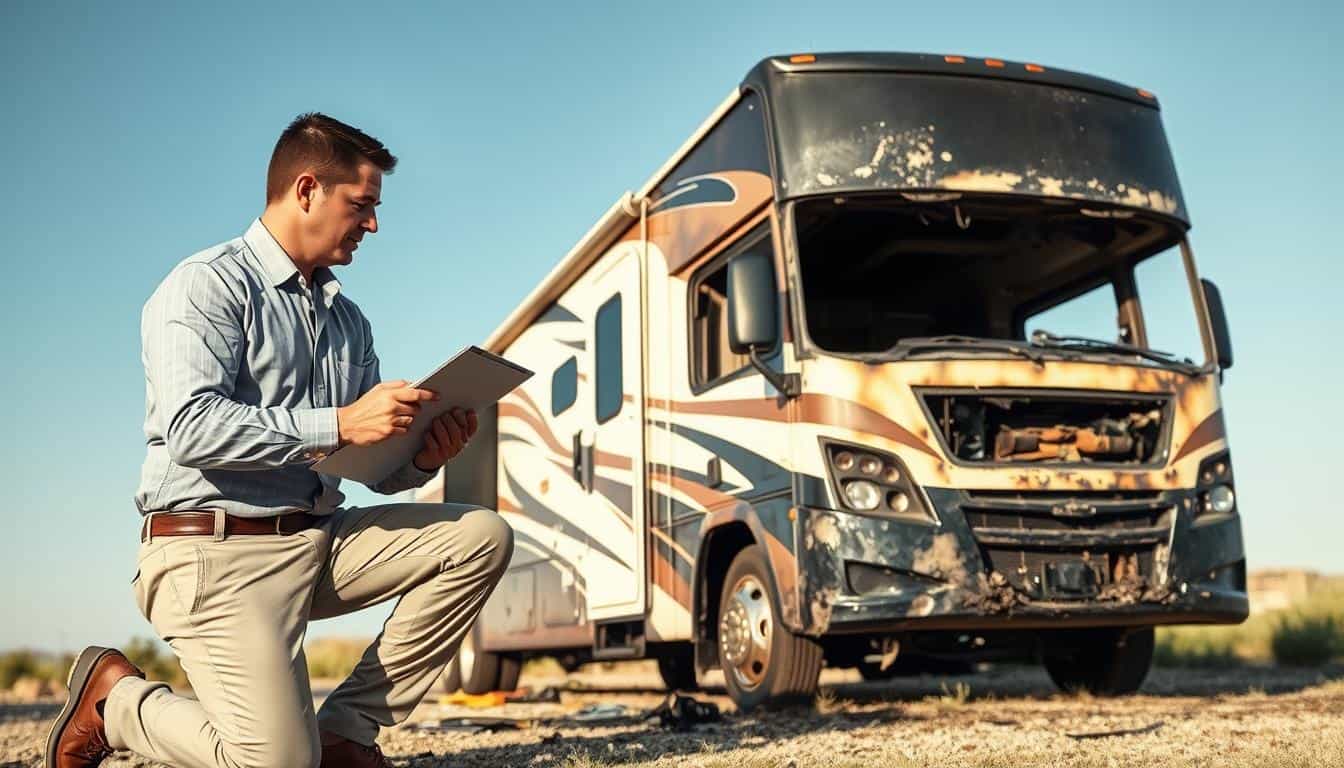
Experiencing a blaze in your motorhome is an incredibly stressful event. Once the flames are extinguished, your primary focus must shift toward ensuring the safety and structural integrity of your vehicle. Taking the right steps immediately helps you protect your investment and your loved ones.
Performing a thorough RV fire damage inspection is the essential first step toward recovery. This process allows you to identify hidden hazards that might compromise your future travels. By evaluating the situation with clarity, you can make informed decisions about repairs or insurance claims.
Our guide is designed to help you navigate this complex assessment with confidence. Understanding the risks involved empowers you to take proactive measures for your peace of mind. Completing a professional RV fire damage inspection ensures that your home on wheels remains a safe sanctuary for every adventure ahead.
Key Takeaways
- Prioritize personal safety before assessing any physical wreckage.
- Document all affected areas with clear photos for insurance purposes.
- Check for hidden electrical or structural compromises caused by heat.
- Consult with certified professionals to verify the vehicle’s roadworthiness.
- Address soot and smoke residue to prevent long-term health hazards.
Understanding RV Fire Damage and Its Impact
Every year, thousands of RV owners face the daunting reality of fire damage, making knowledge of the aftermath essential. Statistics show that between 2018 and 2020, an estimated average of 4,200 RV fires were reported to U.S. fire departments annually. This high frequency highlights why every owner should be prepared to handle the consequences of such a traumatic event.
Causes of RV Fires
Most incidents stem from common mechanical or utility failures within the vehicle. Electrical overloads are a primary culprit, often occurring when too many appliances draw power from aging wiring systems. Additionally, propane leaks near the stove or refrigerator can ignite quickly, turning a small malfunction into a major hazard.
“Safety is not just a state of mind, but a continuous practice of vigilance and maintenance.”
Typical Signs of Fire Damage
Identifying the extent of the destruction requires a keen eye for detail. You should look for obvious charring and melting on interior surfaces, which often indicate the intensity of the heat. Lingering smoke odors are another major sign, as soot particles can penetrate deep into upholstery and ventilation systems.
Safety Protocols Following a Fire Incident
Your immediate priority must always be the safety of yourself and your passengers. Once the fire is extinguished, avoid re-entering the vehicle until authorities confirm it is structurally sound. You should contact an RV fire damage specialist as soon as possible to secure the scene and prevent further degradation.
Taking these steps early helps in creating a comprehensive RV fire damage report for your insurance provider. A professional RV fire damage inspection will ensure that hidden dangers, such as compromised electrical circuits, are not overlooked. Relying on an expert is the best way to protect your investment and ensure your future travels remain safe.
The Importance of Professional Inspection
When your home on wheels suffers fire damage, the path to recovery begins with a professional eye. While it is natural to want to assess the situation immediately, some hazards remain invisible to the untrained observer. Relying on a qualified RV fire damage specialist ensures that every potential risk is identified before you attempt to use or repair the vehicle.
Benefits of Hiring Experts
A professional RV fire damage inspection goes far beyond a simple visual check. Experts possess the specialized tools required to detect structural weaknesses, electrical shorts, and lingering chemical residues that could compromise your health. By hiring a professional, you gain access to a detailed RV fire damage report, which serves as a vital document for your insurance claim.
“Safety is not merely the absence of fire; it is the presence of a verified, secure environment that only a thorough inspection can guarantee.”
Working with a specialist provides peace of mind that your repairs will be handled correctly. They understand the specific engineering of recreational vehicles, ensuring that no safety detail is overlooked during the recovery process. The following table highlights why professional oversight is superior to a casual assessment.
| Feature | DIY Assessment | Professional Inspection |
|---|---|---|
| Hidden Damage Detection | Limited | Comprehensive |
| Insurance Documentation | Informal | Formal Report |
| Safety Verification | Subjective | Certified |
| Repair Accuracy | Guesswork | Technical Precision |
What to Expect During an Inspection
The process typically begins with an initial site assessment where the technician evaluates the scope of the incident. Your RV fire damage specialist will carefully document every affected area, taking photos and notes to build a comprehensive RV fire damage report. This systematic approach ensures that you have a clear roadmap for the necessary repairs.
During the thorough RV fire damage inspection, the expert will test electrical systems and check for smoke infiltration in ventilation ducts. You can expect a transparent explanation of their findings, helping you prioritize which repairs are urgent for safety. This professional guidance is essential for restoring your confidence in your vehicle’s reliability.
Evaluating Repair Costs After Fire Damage
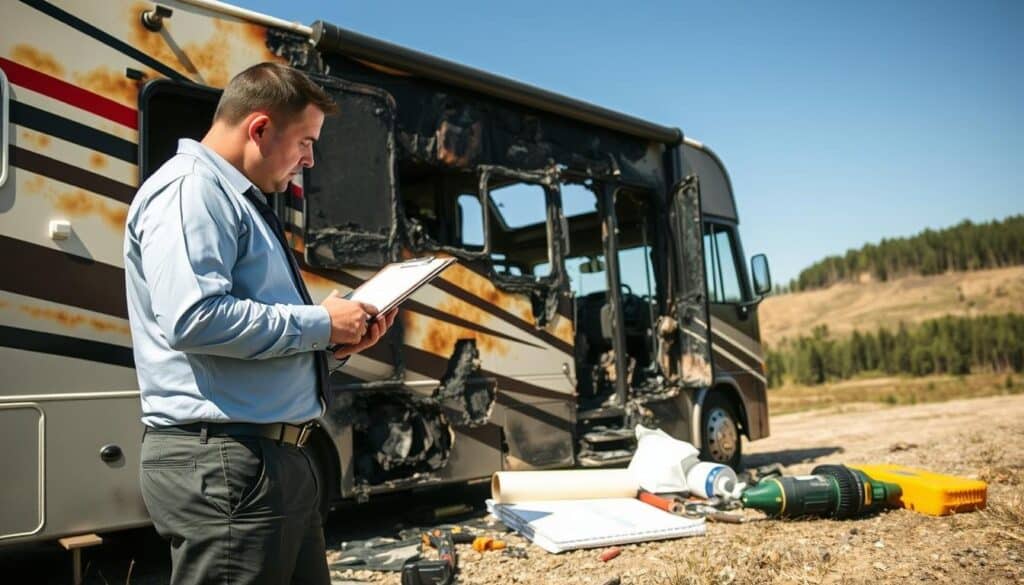
A comprehensive RV fire damage assessment is the foundation for any successful recovery project. Understanding the full scope of destruction allows owners to make informed decisions about whether to repair or replace damaged components. By working with a qualified RV fire damage expert, you can gain clarity on the financial requirements needed to restore your vehicle to its former glory.
Factors Influencing Repair Prices
Several variables dictate the final price tag of your RV fire damage restoration. The extent of electrical system damage is often the most significant cost driver, as wiring harnesses and control boards are complex to replace. Furthermore, the availability of specialized parts for older or custom-built models can drastically increase lead times and labor expenses.
“A detailed repair invoice is more than just a receipt; it is a vital document that validates the quality of work and ensures your investment is protected.”
Labor costs also fluctuate based on the technician’s expertise and the complexity of the structural repairs. Always request a detailed repair invoice from your chosen workshop. This document should clearly list every replaced part and the specific labor hours dedicated to the project, providing you with peace of mind and proof of professional workmanship.
Common Repairs and Their Costs
While every fire incident is unique, certain repairs appear frequently in the restoration process. Identifying these early helps in budgeting for the total project cost. The following table outlines typical repair categories and their relative impact on your overall budget.
| Repair Category | Complexity Level | Cost Impact |
|---|---|---|
| Electrical Rewiring | High | Significant |
| Interior Panel Replacement | Medium | Moderate |
| Appliance Restoration | High | High |
| Upholstery Cleaning | Low | Minor |
Managing these costs effectively requires constant communication with your repair team. By prioritizing essential safety repairs first, you can ensure your vehicle remains roadworthy while managing your financial resources. Transparency throughout the process is the best way to avoid unexpected expenses during your restoration journey.
The Inspection Process for RV Fire Damage
After a fire, the inspection process is the most critical step to ensure your RV is safe for future travel. A systematic approach allows you to identify both visible and hidden hazards that could compromise your vehicle’s integrity. By following a structured path, you can ensure that no detail is overlooked during your RV fire damage assessment.
Step-by-Step Inspection Procedure
The process begins with a visual walkthrough to document charred areas and structural weaknesses. Once the initial survey is complete, a qualified RV fire damage specialist will move into the mechanical systems. This includes a comprehensive check of all smoke detectors and fire suppression equipment to see if they functioned correctly during the incident.
Next, the focus shifts to the integrity of the propane lines. Inspectors perform rigorous pressure tests to ensure that heat exposure did not compromise the seals or tubing. This step is vital for preventing future leaks that could lead to secondary accidents.
Tools and Techniques Used by Inspectors
Professionals utilize specialized equipment to detect issues that are not visible to the naked eye. One common technique involves performing electrical “hot skin” tests to detect current leakage. This ensures that the wiring insulation has not melted or frayed, which could pose a severe shock hazard to anyone touching the exterior of the vehicle.
The data gathered during these tests is compiled into a detailed RV fire damage report. This document serves as a roadmap for repairs and is often required by insurance companies to process your claim. The following table outlines the key areas that undergo testing during a professional evaluation.
| System | Inspection Method | Primary Goal |
|---|---|---|
| Propane Lines | Pressure Testing | Leak Prevention |
| Electrical Wiring | Hot Skin Testing | Shock Hazard Detection |
| Safety Equipment | Functional Testing | Operational Readiness |
| Structural Frame | Visual/Stress Analysis | Integrity Verification |
DIY vs. Professional Inspections
Deciding between a personal inspection and hiring a professional is a major step in your recovery process. While the urge to assess the situation immediately is natural, the complexity of modern recreational vehicles often hides deep-seated issues. A thorough RV fire damage evaluation requires specialized knowledge that goes beyond a simple visual check.
Pros and Cons of DIY Inspections
Performing a self-inspection might seem like a quick way to save money, but it carries significant risks. You might identify obvious surface charring or melted components, which can help you understand the immediate scope of the incident. However, hidden structural or electrical damage often remains invisible to the untrained eye.
If you miss these underlying problems, your RV fire damage restoration efforts could be incomplete. This oversight often leads to dangerous hazards later, such as faulty wiring or compromised frame integrity. Relying solely on your own assessment can also make it difficult to provide the detailed documentation required by insurance companies.
When to Call a Professional
There are specific moments when bringing in an RV fire damage expert is not just recommended, but essential. If the fire affected electrical systems, gas lines, or the main chassis, you need a certified professional to ensure safety. An appraisal from a qualified service, such as MOTOEXPERT, provides an objective and thorough assessment of the vehicle’s technical condition.
This professional documentation is vital for facilitating compensation claims and ensuring your insurance provider understands the full extent of the loss. By choosing an expert, you gain peace of mind knowing that your RV fire damage restoration is based on verified, technical evidence. Do not gamble with your safety or your financial recovery when professional help is available.
| Feature | DIY Inspection | Professional Inspection |
|---|---|---|
| Cost | Low/Free | Service Fee Required |
| Accuracy | Limited to surface | Comprehensive/Technical |
| Insurance Use | Often insufficient | Highly recommended |
| Safety Risk | High potential for error | Minimized by expertise |
Common Areas to Inspect for Fire Damage
When you start your RV fire damage assessment, you must look far beyond the obvious burn marks. Fire often travels through hidden channels, leaving behind structural weaknesses that are not immediately visible to the naked eye. A comprehensive check is the only way to ensure your vehicle remains safe for future travel.
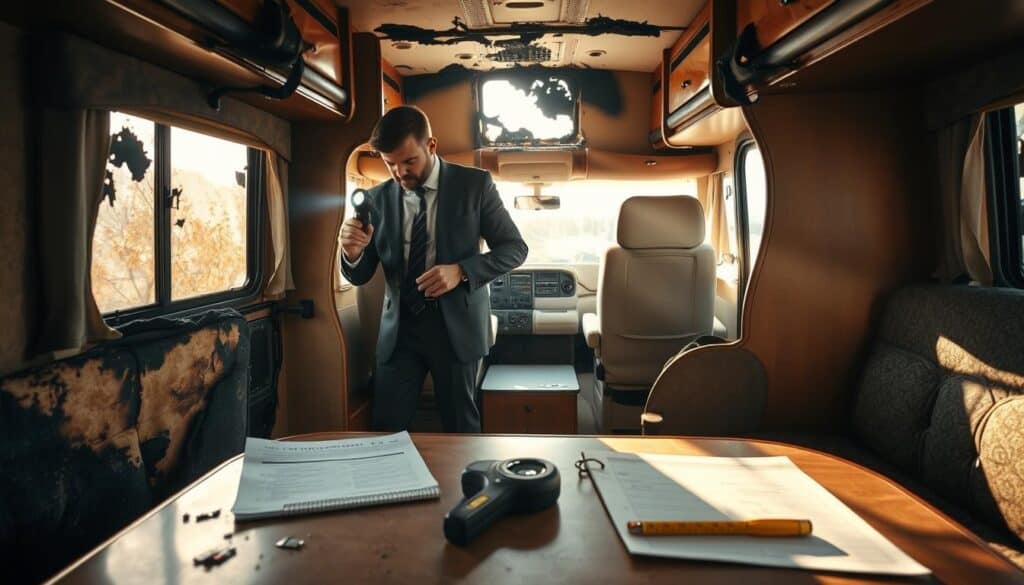
Taking the time to investigate these areas is a vital part of your RV fire damage recovery process. By catching issues early, you can prevent long-term decay and costly secondary repairs. Proper RV fire damage mitigation starts with a flashlight and a very keen eye for detail.
Interior Components at Risk
The interior of your RV often suffers from heat-related damage that compromises structural integrity. You should carefully inspect all electrical wiring, as insulation can melt even if the wires appear intact. Hidden electrical shorts are a major safety hazard that could lead to future fires if left unaddressed.
Do not forget to check cabinetry and upholstery for signs of soot penetration or warping. Heat can cause wood to become brittle, while fabrics may trap toxic chemicals from smoke. Thorough cleaning and potential replacement of these porous materials are essential for a healthy living environment.
Exterior Damage Assessment
Exterior inspections are just as critical, especially when looking for signs of water intrusion. Fire can warp roof seals and slide-out gaskets, creating tiny gaps that allow moisture to seep into your walls. If these areas are not sealed properly, you risk significant water damage that can rot your subfloor over time.
You should also examine the undercarriage for any heat-damaged hoses or protective coatings. The structural frame may have expanded or contracted during the incident, which can affect the alignment of your slide-outs. Use the following table to help organize your inspection priorities.
| Inspection Area | Primary Risk | Action Required |
|---|---|---|
| Roof Seals | Water Intrusion | Reseal or Replace |
| Electrical Wiring | Short Circuits | Professional Testing |
| Slide-out Gaskets | Moisture Damage | Inspect for Gaps |
| Interior Cabinetry | Structural Weakness | Check for Warping |
By following this systematic approach, you ensure that your RV fire damage recovery is thorough and complete. Consistent RV fire damage mitigation efforts will protect your investment and provide peace of mind on the road. Always prioritize safety when evaluating the condition of your vehicle after a fire incident.
Insurance Considerations After Fire Damage
Your path to RV fire damage recovery starts with understanding your specific insurance policy details. Dealing with the aftermath of a fire is stressful, but knowing what your policy covers can provide much-needed peace of mind. Most standard policies are designed to help you get back on the road as quickly as possible.
Types of Coverage for RV Owners
Not all insurance plans are created equal, and it is vital to know which parts of your policy apply to fire incidents. Comprehensive coverage is typically the primary protection for fire-related losses, as it covers damage caused by events other than collisions. You should also check if your policy includes personal property coverage for items stored inside the vehicle.
Some owners opt for specialized RV insurance that offers additional benefits like total loss replacement. Reviewing your policy documents will help you determine if you have adequate protection for your specific needs. The following table outlines common coverage types that may assist you during the claims process.
| Coverage Type | Primary Purpose | Typical Benefit |
|---|---|---|
| Comprehensive | Fire, theft, and vandalism | Covers repair or market value |
| Personal Property | Contents inside the RV | Replaces damaged gear/clothing |
| Emergency Expense | Lodging and travel costs | Covers temporary living needs |
Tips for Filing a Claim
When you begin your RV fire damage evaluation, accuracy is your best friend. Insurance companies are very stringent regarding documenting repairs, so it is essential to have appropriate evidence like detailed invoices or expert appraisals. Providing clear, organized information helps adjusters process your claim without unnecessary delays.
“The secret to a successful insurance claim lies in the quality of your documentation. Always keep a detailed log of every conversation and every expense incurred during the restoration process.”
Effective RV fire damage mitigation requires you to be proactive in your communication with the insurance provider. Keep copies of all correspondence and ensure that any professional inspector you hire is licensed and experienced with RV systems. By maintaining a professional approach, you significantly improve your chances of a fair and timely settlement.
Preventing Future RV Fires
Protecting your home on wheels starts with understanding how to prevent dangerous fire incidents. While accidents can happen, being prepared and staying vigilant significantly lowers your risk. Taking these steps now helps you avoid the costly and emotional burden of RV fire damage restoration later.
Best Practices for RV Safety
Safety begins with knowing how to react when a fire starts. Every adult in your travel party should learn the P.A.S.S. acronym to operate a portable fire extinguisher effectively. This stands for Pull the pin, Aim at the base of the fire, Squeeze the handle, and Sweep from side to side.
Beyond extinguishers, you must keep your living space clear of hazards. Always ensure that emergency exits remain unobstructed and fully functional at all times. Additionally, testing your propane systems regularly is a vital step that every RV fire damage expert recommends to keep your family safe.
Regular Maintenance Tips
Consistent upkeep is the foundation of a fire-safe vehicle. You should schedule routine inspections to check for frayed wires, gas leaks, or faulty appliances. By catching small issues early, you prevent them from turning into major disasters that require professional RV fire damage restoration.
Working with a qualified RV fire damage expert can provide you with a tailored maintenance schedule. They can identify hidden risks that you might overlook during your own checks. Use the following table to track your essential safety tasks throughout the year.
| Safety Task | Frequency | Importance |
|---|---|---|
| Test Smoke Alarms | Monthly | Critical |
| Inspect Propane Lines | Every 6 Months | High |
| Check Electrical Wiring | Annually | High |
| Verify Exit Latches | Quarterly | Medium |
Conclusion: Taking Action After Fire Damage
Restoring your vehicle requires a clear plan and a commitment to safety. You protect your investment and your passengers by addressing issues immediately after an incident occurs.
Moving Forward With Repairs
A thorough RV fire damage evaluation serves as the foundation for your restoration project. You should contact certified technicians who understand the complexities of electrical and structural systems. This professional approach ensures that hidden hazards do not compromise your future travels.
Prioritizing Long-Term Safety
Successful RV fire damage recovery depends on your ability to act quickly. You minimize long-term costs by fixing damaged components before they cause secondary issues like mold or structural rot. Consistent maintenance remains the best strategy for effective RV fire damage mitigation throughout the life of your vehicle.
Schedule a yearly checkup with a trusted service center like Camping World or a local specialist. Staying proactive keeps your family safe and keeps your vehicle roadworthy for years to come. Your dedication to these steps makes every journey more secure.
FAQ
What are the most common causes of fires in recreational vehicles?
Why should I hire an RV fire damage expert instead of inspecting the damage myself?
What is included in a professional RV fire damage assessment?
How does a professional RV fire damage report help with insurance claims?
What is RV fire damage mitigation, and why is it urgent?
Can an RV be fully restored after a fire incident?
How can I prevent the need for an RV fire damage evaluation in the future?
What role does MOTOEXPERT play in the recovery process?
Likwidacja szkody: samodzielnie czy z MOTOEXPERT?
Porównaj, zanim ubezpieczyciel zdecyduje za Ciebie.
| ✗ Samodzielnie (kalkulator / AI ubezpieczyciela) | ✓ Z MOTOEXPERT + rekomendowany Adwokat |
|---|---|
| Wycena rzeczoznawcy ubezpieczyciela — interes płatnika, ryzyko zaniżenia | Niezależna certyfikowana opinia techniczna — pełny kosztorys wg stawek rynkowych |
| Pominięte pozycje: utrata wartości, auto zastępcze, holowanie | Komplet roszczeń: utrata wartości pojazdu, auto zastępcze, koszty dodatkowe |
| Samotne negocjacje z ubezpieczycielem, bariera językowa | Obsługa po polsku + rekomendowany Fachanwalt für Verkehrsrecht do reprezentacji prawnej |
| Sztuczna inteligencja nie stanie za Tobą w sądzie — koszt błędu ponosisz Ty | Szkoda z OC sprawcy w Niemczech przy jednoznacznej odpowiedzialności: uzasadnione koszty rzeczoznawcy co do zasady pokrywa ubezpieczyciel sprawcy (§ 249 BGB) |