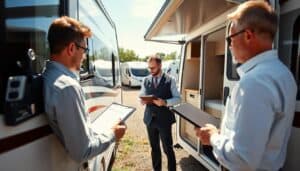
Owning a recreational vehicle is a significant investment that requires consistent care. We believe that identifying moisture issues early is the most effective way to protect your mobile home from long-term decay.
When you assess camper water damage, you take a proactive step toward maintaining the structural integrity of your vehicle. Ignoring small leaks often leads to expensive repairs that could have been avoided with timely intervention.
Our team emphasizes that a professional camper water damage valuation provides the clarity needed to make informed decisions. By understanding the current state of your unit, you ensure safety for your family and preserve the resale value of your asset.
Key Takeaways
- Early detection prevents minor leaks from becoming major structural failures.
- Proactive maintenance protects your long-term financial investment.
- Professional evaluations offer a clear roadmap for necessary repairs.
- Regular inspections ensure the ongoing safety of your vehicle.
- Informed decision-making saves you time and money in the future.
Understanding Camper Water Damage Valuation
When we evaluate a recreational vehicle, water damage often stands as the single most significant factor in price depreciation. Accurate assessment is vital because moisture intrusion can compromise the safety and longevity of your investment. We rely on industry-standard tools to ensure our camper water damage valuation remains objective and reliable.
Definition of Water Damage in Campers
Water damage refers to any structural or cosmetic degradation caused by the unwanted entry of moisture into the vehicle’s interior. This includes rot in wooden frames, delamination of exterior walls, and the growth of mold within insulation. Such issues significantly lower the market appeal of any rig.
To determine the financial impact, we look to the NADA guides, now hosted by J.D. Power. These guides serve as the industry benchmark for establishing the current market worth of your vehicle. A thorough caravan water damage evaluation must account for the gap between trade-in values and retail pricing, as damage often pushes a unit toward the lower end of the spectrum.
Common Causes of Water Damage
Moisture intrusion typically stems from both environmental exposure and mechanical failures. Sealant degradation around roof vents, windows, and slide-outs is the most frequent culprit we encounter. Over time, these seals dry out and crack, allowing rainwater to seep into the wall cavities.
Mechanical issues, such as leaking plumbing lines or faulty water heaters, also contribute to internal damage. We emphasize that a professional camper water damage valuation must identify these root causes to prevent further deterioration. Conducting a regular caravan water damage evaluation helps catch these leaks before they lead to costly structural repairs.
Signs of Water Damage in Campers
We often find that the smallest water stains are merely the tip of the iceberg when it comes to camper damage. Performing a thorough RV water damage assessment is the most effective way to protect your investment from long-term structural decay. By catching these issues early, you can prevent costly repairs down the road.
Visual Indicators to Look For
When you begin your inspection, focus on the surfaces that are most exposed to the elements. Discoloration on ceilings or walls is a primary red flag that moisture has penetrated the outer shell. You should also look for these common signs:
- Bubbling or peeling wallpaper or paint.
- Soft, spongy spots on the floor or wall panels.
- Musty or damp odors that persist even after ventilation.
- Visible mold growth in corners or near window frames.
Hidden Damage: What to Check Inside
A professional camper water leak inspection requires looking beyond the surface. Moisture often travels along internal framing, meaning the source of a leak may be far from where the damage appears. We recommend checking these critical areas regularly:
First, inspect the areas behind cabinets and closets where airflow is limited. These dark, enclosed spaces are prime locations for hidden mold to thrive. You should also check the sub-flooring near slide-outs and entry doors, as these are common entry points for water.
Finally, do not ignore the importance of checking the seals around roof vents and skylights. If you notice any cracking or gaps in the sealant, it is likely that water has already begun to seep into the interior structure. Taking these steps ensures your vehicle remains safe and dry for years to come.
The Assessment Process for Water Damage
Discovering water intrusion in your vehicle can be stressful, but our professional process brings clarity. We utilize a systematic approach to ensure that no hidden issues are overlooked during your RV water damage assessment. By following a standardized methodology, we provide you with the peace of mind that your vehicle is being evaluated by experts who understand the unique construction of campers.

Initial Inspection: What to Expect
When you engage a certified appraiser to assess camper water damage, you are investing in accuracy and professional leverage. These experts typically charge around $100 for an initial visit, which includes a comprehensive review of your vehicle’s condition. They rely on industry-standard pricing databases to ensure that any findings are documented with precision and fairness.
“A thorough inspection is not just about finding the leak; it is about understanding the full scope of the structural impact to prevent future failures.”
Tools and Techniques We Use
Performing a high-quality camper water leak inspection requires more than just a visual check. We employ specialized technology to detect moisture levels that remain hidden behind finished walls and cabinetry. These tools allow us to map the extent of the saturation without causing unnecessary damage to your interior surfaces.
Our professionals typically utilize the following equipment during the evaluation:
- Moisture Meters: Used to identify dampness in wood and insulation behind panels.
- Thermal Imaging Cameras: Essential for spotting temperature variations caused by trapped water.
- Borescope Cameras: Small, flexible tools that reach into tight wall cavities for visual confirmation.
- Pressure Testing Kits: Used to verify the integrity of seals and roof seams under controlled conditions.
By combining these advanced techniques, we ensure that our assessment is both comprehensive and reliable. This data-driven approach helps you make informed decisions regarding the necessary repairs for your vehicle.
Repairs: Scope and Considerations
Understanding the full scope of repairs is essential for making informed decisions about your vehicle’s future. When moisture penetrates the interior, the restoration process can vary from minor maintenance to major structural work. We believe that identifying the extent of the damage early helps you manage expectations and budget effectively.
Types of Repairs Commonly Needed
The complexity of your restoration depends on how long the water has been present. Simple issues often require basic maintenance, while long-term leaks may demand a complete overhaul of the affected areas. We typically categorize these interventions into the following groups:
- Sealant Replacement: Removing old, cracked caulk and applying high-quality waterproof sealants to roof seams and windows.
- Interior Panel Replacement: Removing and replacing water-stained or moldy wall panels and ceiling boards.
- Structural Reconstruction: Replacing rotted wooden framing, floor joists, or subflooring that has lost its integrity.
- Insulation Restoration: Removing wet, compressed insulation and installing new, moisture-resistant materials to prevent future mold growth.
Cost Implications of Various Repairs
Calculating the total camper water damage repair cost is a critical step for any owner facing water intrusion. These expenses can escalate quickly depending on the labor hours required for structural repairs. We always recommend obtaining a professional camper water damage estimate to understand the financial commitment before starting any work.
It is important to note that dealers often view these issues as significant liabilities. When you attempt to trade in a vehicle with known moisture problems, they frequently deduct the estimated repair costs from their offer. These deductions can range from $2,000 to $3,000, which significantly impacts your overall trade-in value. Being proactive with your repairs not only preserves the longevity of your camper but also protects your investment during future transactions.
Preventive Measures for Future Water Damage
Preventing moisture intrusion is far easier and cheaper than dealing with extensive repairs later. We view proactive care as the most cost-effective strategy for maintaining the long-term value of your camper. By staying ahead of potential issues, you protect your investment from the silent threat of water damage.
Regular Maintenance Tips for Campers
Consistency is the key to a dry and healthy vehicle. We recommend a strict schedule for inspecting critical areas like roof seals and window gaskets, as these are the primary entry points for water.
You should check these seals at least twice a year for signs of cracking or peeling. If you notice any gaps, applying a high-quality sealant immediately will prevent moisture from seeping into the structure. Regular inspections allow you to catch small problems before they turn into expensive structural failures.
Importance of Protective Coverings
Harsh weather conditions often accelerate the wear and tear on your camper’s exterior. Using high-quality protective coverings acts as a vital defense against rain, snow, and intense UV rays.
A breathable cover prevents moisture from becoming trapped against the surface while shielding the roof from debris. We strongly suggest investing in a cover that fits your specific model to ensure maximum protection. By following these simple steps, you can significantly reduce the risk of moisture intrusion and keep your camper in excellent condition for years to come.
Insurance Considerations for Water Damage
Navigating the complexities of insurance claims after discovering water damage in your camper can feel overwhelming. We believe that being prepared is the best way to protect your investment and ensure a smooth recovery process. Understanding your policy details early on can save you significant stress during an already difficult time.
Understanding Coverage Options
Most insurance policies distinguish between sudden accidents and long-term maintenance neglect. It is vital to review your specific contract to see which scenarios are covered under your current plan. Knowing your limits allows you to make informed decisions when you first notice signs of moisture or leaks.
Insurance companies typically declare a total loss when repair costs exceed 70% to 100% of the actual cash value of the vehicle. This threshold is a critical factor in how your claim will be processed. If the damage is extensive, the insurer may choose to pay out the value of the camper rather than funding the repairs.

“The bitterness of poor quality remains long after the sweetness of low price is forgotten.”
Filing a Claim: Steps We Recommend
When you decide to move forward with a claim, accuracy is your greatest asset. We strongly recommend obtaining a professional motorhome water damage appraisal to provide an objective view of the situation. This document serves as a foundation for your negotiations with the insurance adjuster.
Before submitting your paperwork, ensure you have gathered thorough documentation of all affected areas. A detailed camper water damage estimate from a qualified technician will help justify your claim and support your case for a fair settlement. By following these structured steps, you increase the likelihood of a favorable outcome for your repair project.
Working with Professionals for Repairs
When moisture compromises your camper, knowing when to call in the experts is a critical decision. While minor leaks might seem manageable, extensive water intrusion often hides deep within the structural framework of your vehicle. We recommend evaluating the scope of the damage carefully before attempting any DIY fixes.
When to Seek Expert Help
You should prioritize professional intervention if you notice soft spots in the flooring or walls, as these indicate significant rot. A camper water damage restoration specialist possesses the diagnostic tools to trace water paths that are invisible to the naked eye. Relying on their expertise ensures that the root cause of the leak is addressed rather than just the surface symptoms.
“Quality is never an accident; it is always the result of high intention, sincere effort, intelligent direction and skillful execution.”
We suggest seeking help when the damage involves electrical systems or complex slide-out mechanisms. These areas require specialized knowledge to prevent further safety hazards. Engaging a professional early can save you from costly, recurring issues down the road.
Benefits of Professional Assessments
A formal motorhome water damage appraisal provides a clear roadmap for necessary repairs. This documentation is vital for insurance claims, as it offers an objective account of the damage severity. Furthermore, having a certified report adds significant value when you decide to sell your vehicle in the future.
Working with a qualified camper water damage restoration specialist offers several distinct advantages:
- Accurate identification of hidden mold and structural decay.
- Access to industry-standard materials that ensure long-lasting repairs.
- Comprehensive motorhome water damage appraisal for insurance transparency.
- Peace of mind knowing your vehicle meets safety standards.
Ultimately, professional assessments provide the clarity needed to make informed financial decisions. We believe that investing in expert oversight protects your camper’s integrity and your long-term enjoyment of the road.
DIY Repairs vs. Professional Help
When water damage strikes, the choice between a weekend project and professional intervention can define your camper’s future. We understand that every owner wants to protect their investment while keeping maintenance expenses manageable. Deciding which path to take requires an honest assessment of your technical skills and the severity of the moisture intrusion.
Benefits and Risks of DIY Repairs
Tackling minor issues on your own can certainly lower the initial camper water damage repair cost. If the damage is limited to a small area of cosmetic trim or a simple seal replacement, a handy owner can often achieve great results. Taking ownership of these small tasks allows you to learn more about your vehicle’s construction.
However, the risks of DIY repairs are significant when the damage is hidden. You might fix the surface, but fail to address the underlying rot in the wooden frame. This oversight can lead to costly structural failures later on. Consider these factors before starting:
- Your personal experience with carpentry and moisture sealing.
- The availability of specialized tools for detecting hidden dampness.
- The time commitment required for a thorough, multi-day restoration.
When to Hire a Professional
There are specific scenarios where relying on a camper water damage restoration specialist is the safest and most reliable choice. If you notice soft spots in the floor, sagging ceilings, or persistent musty odors, the damage likely extends deep into the structure. Professionals possess the diagnostic equipment needed to ensure every trace of moisture is removed.
Hiring an expert is essential when the integrity of the camper is at stake. While the camper water damage repair cost may be higher upfront, it provides peace of mind that the job is done correctly. A qualified specialist ensures that your vehicle remains safe for travel and retains its long-term value. Investing in professional help is often the most cost-effective decision for complex, deep-seated water issues.
Long-term Effects of Water Damage on Campers
Water damage often acts as a silent destroyer that compromises the very foundation of your camper. While minor leaks might seem manageable at first, they frequently lead to deep-seated issues that worsen over time. A professional caravan water damage evaluation is the only way to uncover these hidden threats before they become irreversible.
Structural Integrity Concerns
Moisture is the primary enemy of the wooden framing and metal chassis that support your vehicle. When water infiltrates these areas, it triggers rot and corrosion that can weaken the entire structure. This degradation is not merely cosmetic; it poses a significant risk to your safety while traveling on the road.
If the frame loses its rigidity, the camper may become unstable during transit. We emphasize that once the structural core is compromised, simple patches are no longer sufficient. You must address these deep-seated issues immediately to prevent a total loss of the vehicle’s integrity.
Impact on Resale Value
The financial implications of water damage are severe, especially when combined with standard depreciation. RVs typically lose 10% to 20% of their value in the first year alone, and that figure climbs to 36% to 38% after five years. When you add water damage to this equation, the resale value drops significantly, often making the unit nearly impossible to sell.
Prospective buyers and dealerships are highly cautious regarding moisture history. A thorough caravan water damage evaluation provides the documentation needed to prove that repairs were handled correctly. Without this, you may find that your vehicle is difficult to insure or that its market value has plummeted far below the expected depreciation curve.
Conclusion: Ensuring Lasting Protection for Our Campers
Maintaining the integrity of your recreational vehicle requires a dedicated approach to routine care. We believe that consistent vigilance serves as the best defense against moisture intrusion.
You hold the power to extend the lifespan of your investment through simple, proactive habits. Regular inspections allow you to catch minor issues before they evolve into expensive structural failures.
Brands like Dicor and Eternabond provide excellent materials for sealing seams and preventing leaks. Utilizing these high-quality products during your maintenance schedule keeps your camper road-ready for years.
We encourage you to document every inspection and repair performed on your vehicle. This record keeps your maintenance history organized and provides peace of mind during future travels.
Reach out to local service centers if you feel uncertain about specific repairs. Expert technicians offer the specialized knowledge needed to preserve the safety and resale value of your mobile home.
Your commitment to these practices prevents the emotional and financial strain of major damage. Enjoy the freedom of the open road knowing your camper remains secure and well-protected.
FAQ
How do we determine a camper water damage valuation for a trade-in?
What are the primary indicators we look for during an RV water damage assessment?
Why is a professional motorhome water damage appraisal necessary for insurance claims?
How often should we perform a camper water leak inspection?
What goes into a professional camper water damage estimate?
Can a camper water damage restoration specialist save a rig with major rot?
How does moisture intrusion impact the long-term structural integrity of our campers?
What is the average camper water damage repair cost for common leaks?
Likwidacja szkody: samodzielnie czy z MOTOEXPERT?
Porównaj, zanim ubezpieczyciel zdecyduje za Ciebie.
| ✗ Samodzielnie (kalkulator / AI ubezpieczyciela) | ✓ Z MOTOEXPERT + rekomendowany Adwokat |
|---|---|
| Wycena rzeczoznawcy ubezpieczyciela — interes płatnika, ryzyko zaniżenia | Niezależna certyfikowana opinia techniczna — pełny kosztorys wg stawek rynkowych |
| Pominięte pozycje: utrata wartości, auto zastępcze, holowanie | Komplet roszczeń: utrata wartości pojazdu, auto zastępcze, koszty dodatkowe |
| Samotne negocjacje z ubezpieczycielem, bariera językowa | Obsługa po polsku + rekomendowany Fachanwalt für Verkehrsrecht do reprezentacji prawnej |
| Sztuczna inteligencja nie stanie za Tobą w sądzie — koszt błędu ponosisz Ty | Szkoda z OC sprawcy w Niemczech przy jednoznacznej odpowiedzialności: uzasadnione koszty rzeczoznawcy co do zasady pokrywa ubezpieczyciel sprawcy (§ 249 BGB) |