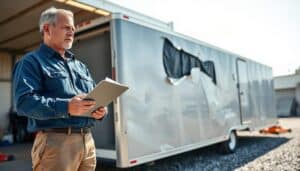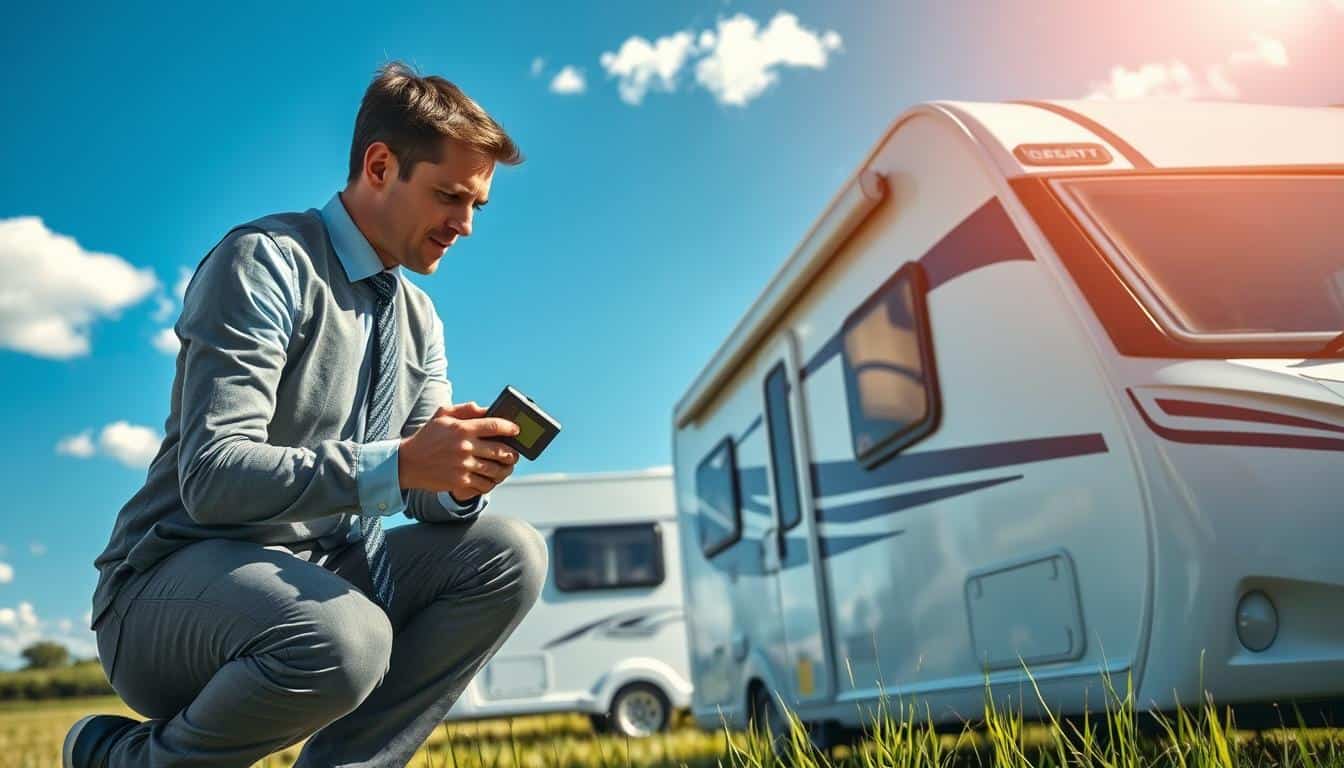
Owning a recreational vehicle is a wonderful way to explore the open road. We know that your mobile home serves as a safe sanctuary during your travels. To keep it in top shape, we believe that proactive monitoring is your best defense against unexpected structural failure.
Our team has developed this comprehensive Caravan hail damage assessment to help you protect your investment. By catching minor issues early, you can avoid costly repairs and ensure your vehicle remains ready for every adventure. We are here to provide the clarity you need to stay ahead of the elements and maintain your vehicle’s long-term integrity.
Key Takeaways
- Proactive monitoring prevents major structural issues.
- Early detection saves money on expensive repairs.
- Regular inspections protect your long-term investment.
- Maintaining your vehicle ensures a safe travel experience.
- Our guide provides the clarity needed for effective maintenance.
Understanding Hail Damage on Caravans
A thorough caravan hail damage assessment is the first line of defense against long-term structural decay. When severe weather strikes, it is easy to focus only on the visible dents on the exterior panels. However, the true danger often lies beneath the surface where we cannot immediately see the impact.
What is Hail Damage?
Hail damage occurs when frozen precipitation strikes the outer shell of your vehicle with significant force. These impacts can range from tiny, barely noticeable dimples to large, deep craters that compromise the protective skin of the caravan. It is vital to remember that even small impacts can weaken the structural integrity of the materials over time.
How Does Hail Affect Caravans?
The primary concern following a storm is the potential for water ingress. Moisture is the leading cause of structural decay in recreational vehicles, acting as a silent saboteur that leads to catastrophic failure. Once the outer shell is breached, water can seep into the frame and insulation, causing rot and mold that are difficult to repair.
When the protective layers are compromised, the internal wood and metal components become vulnerable to the elements. This process often happens slowly, making it easy for owners to miss the warning signs until the damage becomes severe. Regular maintenance helps us catch these issues before they turn into expensive structural problems.
Common Signs of Hail Damage
Performing a regular caravan hail damage inspection allows you to identify issues before they escalate. Look closely for small, circular dents on the roof and side panels, as these are the most common indicators of impact. You should also check for cracked or loose sealant around windows, vents, and roof hatches.
If you notice any gaps in the seals, water can easily enter the interior during the next rain shower. We encourage you to run your hands over the surfaces to feel for irregularities that might not be visible to the naked eye. Staying vigilant ensures your caravan remains a safe and comfortable home on the road.
Importance of Timely Assessment
Protecting your investment starts with a swift and thorough inspection after any severe weather event. We believe that performing a professional caravan storm damage evaluation is the most effective way to ensure your vehicle remains a safe, dry sanctuary for every future journey.
Why Quick Action Matters
When you address potential issues immediately, you prevent minor problems from escalating into major structural failures. Time is of the essence because even small dents or hairline cracks can compromise the integrity of your caravan’s exterior shell.
By acting quickly, you ensure that your mobile home stays weather-tight and secure. We always recommend a proactive approach to maintain the value and safety of your vehicle, as it allows for simpler, less invasive repair solutions.
Long-term Effects of Delayed Repairs
Ignoring signs of impact often leads to severe consequences that are much harder to fix later. One of the most common issues is delamination, where the fiberglass skin separates from the wooden frame due to moisture saturation.
Once water penetrates the interior, it can cause rot, mold, and significant damage to the internal structure. These hidden problems often result in expensive, long-term structural headaches that could have been avoided with an early caravan storm damage evaluation.
| Repair Timing | Structural Impact | Cost Estimate | Safety Level |
|---|---|---|---|
| Immediate | Minimal | Low | High |
| Delayed | Severe | High | Low |
| Neglected | Critical | Very High | Unsafe |
Tools for Assessing Hail Damage
A thorough caravan hail damage inspection involves both traditional tools and modern digital solutions. While a quick visual check might reveal obvious dents, many structural issues remain hidden beneath the surface. We use a combination of specialized equipment to ensure that every square inch of your vehicle is properly evaluated.
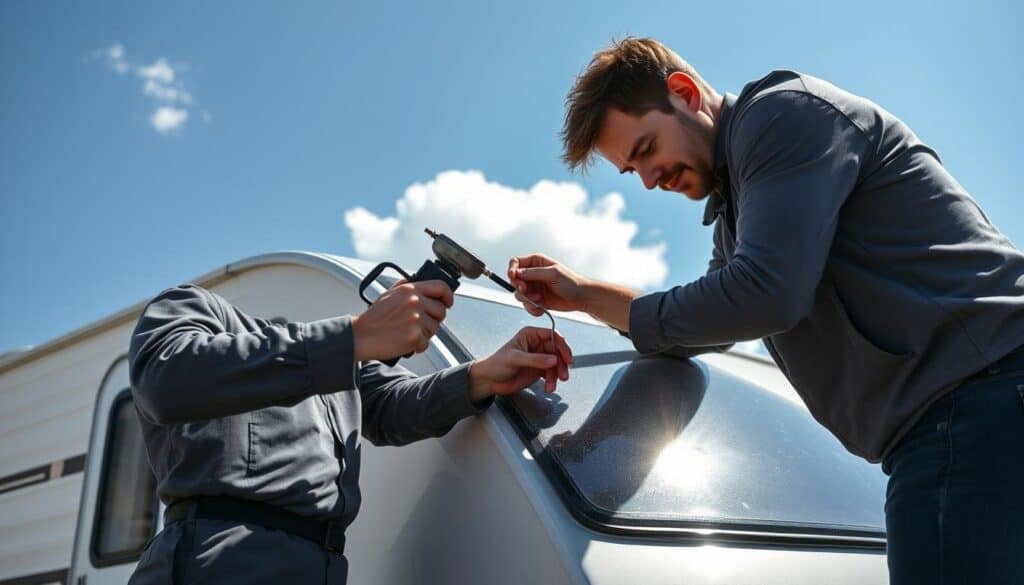
Essential Equipment We Use
To begin our process, we rely on high-intensity LED lighting and specialized paint depth gauges. These tools allow us to identify micro-fractures and subtle depressions that are often invisible under standard daylight. Precision is our top priority when documenting the extent of the impact.
“The difference between a superficial dent and a structural compromise often lies in the tools used to uncover the truth.”
We also utilize specialized alignment gauges to check for frame distortion. Even minor hail impacts can shift the balance of a caravan, which may lead to long-term towing issues if left unaddressed.
How to Utilize Technology in Assessments
Modern technology has revolutionized the way we perform a caravan hail damage inspection. MOTOEXPERT utilizes advanced 3D scanning technology to capture precise data regarding vehicle condition. This digital approach creates a high-resolution map of the exterior, allowing us to measure the exact depth and volume of every dent.
By integrating laser alignment systems, we can verify the structural integrity of the chassis with incredible accuracy. This high-tech method provides a comprehensive overview that the naked eye simply cannot match. It empowers you to make informed decisions about whether you can handle minor repairs yourself or if you need professional help.
| Tool Type | Primary Function | Accuracy Level |
|---|---|---|
| LED Inspection Lights | Surface dent detection | High |
| 3D Scanning | Structural mapping | Very High |
| Laser Alignment | Frame integrity check | Excellent |
Ultimately, using these advanced tools during your caravan hail damage inspection ensures that no detail is overlooked. We believe that transparency in data is the best way to protect your investment and ensure your safety on the road.
Professional vs. DIY Assessment
When your caravan suffers from a storm, you might wonder if you should grab your tools or call in the experts. Deciding between a self-assessment and a professional inspection is a vital step in managing your caravan hail damage repair cost effectively. We want to help you make the right choice for your vehicle’s longevity.
Pros and Cons of Professional Services
Hiring a professional specialist offers peace of mind that is hard to replicate on your own. Experts possess specialized equipment designed to detect hidden moisture or structural weaknesses that remain invisible to the naked eye. By identifying these issues early, you prevent long-term decay that could lead to much higher expenses later.
While professional services involve an upfront fee, they ensure the work meets safety standards. A qualified technician provides a detailed assessment that is often required for insurance claims. This professional oversight protects your investment and ensures your caravan remains roadworthy for years to come.
When to Consider DIY Assessment
If the damage is purely cosmetic or limited to minor components, you might feel comfortable handling the inspection yourself. Simple tasks like resealing windows or replacing small trim pieces are often manageable for many handy owners. These small fixes can help you keep your overall caravan hail damage repair cost low without compromising the vehicle’s integrity.
However, we strongly advise against attempting to fix structural dents or roof damage without the proper training. If you notice deep indentations or signs of water ingress, it is time to stop and call a professional. Safety should always be your top priority when evaluating the condition of your caravan after a severe weather event.
Steps to Assess Hail Damage
When a storm passes, knowing how to assess caravan hail damage is the first step toward protecting your investment. We recommend starting your evaluation by walking around the exterior of the trailer with a bright flashlight. Even during the day, a focused beam helps highlight subtle indentations or cracks that might otherwise go unnoticed.
Initial Inspection Process
Your primary goal during the initial phase is to identify any immediate breaches in the exterior shell. We suggest moving slowly and methodically to ensure no area is overlooked. Pay close attention to the following components:
- Window seals: Check for gaps or signs of impact that could allow moisture inside.
- Roof vents: Inspect the plastic covers for spiderweb cracks or punctures.
- Seams and joints: Look for separation or damage to the sealant where panels meet.
“A proactive inspection is the difference between a simple patch job and a major structural overhaul.”
Detailed Damage Evaluation
Once you have completed the walk-around, it is time to perform a more detailed evaluation. You must carefully examine the roof and side panels for small, pin-sized dents that often indicate hail impact. These seemingly minor blemishes can compromise the integrity of the outer skin over time.
If you find areas of concern, document them immediately with clear photographs. Taking the time to properly assess caravan hail damage allows you to catch small leaks before they turn into costly structural failures. By staying vigilant, you ensure your vehicle remains safe and roadworthy for your next adventure.
Key Areas to Inspect on a Caravan
When you set out to assess caravan hail damage, knowing exactly where to look can save you significant time and stress. We find that a systematic approach ensures no hidden issues are overlooked during your walk-around inspection. By focusing on the most vulnerable zones, you can identify both surface-level dents and deeper structural concerns.
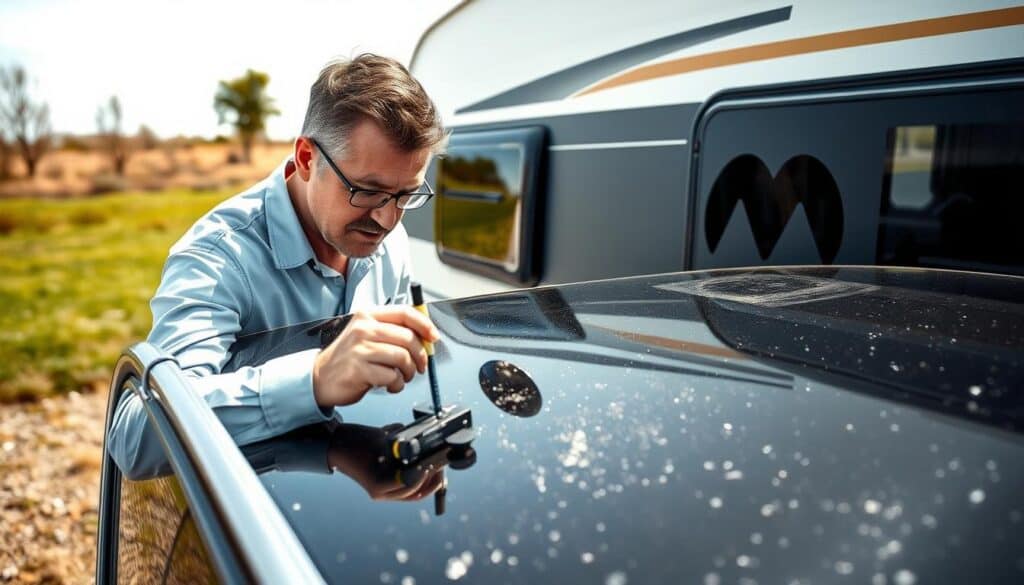
Roof and Ceiling Considerations
The roof is often the first point of contact during a storm, making it a critical area to examine. We recommend checking the roof membrane for any punctures, tears, or signs of stress that could lead to water intrusion. Carefully inspect all sealant around vents, skylights, and air conditioning units for cracks or peeling, as these are common entry points for moisture.
Do not stop at the exterior; you must also investigate the interior ceiling for signs of water damage. Look for discoloration or bubbling on the ceiling panels, which often indicates that the roof seal has been compromised. Additionally, check the flooring near the corners and slide-outs for any soft spots, as these can be hidden indicators of water damage that traveled down the wall cavities.
Side Panels and Windows
Your caravan’s side panels are highly susceptible to impact, especially from wind-driven hail. We suggest running your hands along the panels to feel for subtle indentations that might be difficult to see with the naked eye. When you assess caravan hail damage on the sides, pay close attention to the trim and window frames.
Window frames are particularly fragile and can easily crack or warp under heavy impact. Inspect the seals around every window to ensure they remain flush against the body of the caravan. If you notice any peeling sealant or gaps, these areas require immediate attention to prevent long-term structural decay.
Creating a Damage Report
We believe that documenting your caravan’s condition is the most critical step after a storm. A formal, technical document acts as your strongest evidence when you begin a caravan storm damage evaluation. By gathering precise data, you ensure that every aspect of the loss is accounted for during the repair process.
Importance of Documentation
Clear documentation removes ambiguity from your case. When you present a professional report, you provide insurance adjusters with the facts they need to process your request quickly. Without this evidence, you risk having your claim undervalued or even denied.
“The quality of your evidence directly dictates the speed and fairness of your insurance settlement. Never underestimate the power of a well-organized file.”
We recommend keeping a digital folder for all your records. This practice keeps your information organized and ready for submission at a moment’s notice.
What to Include in the Report
To build a robust file, you must include specific identifiers and visual proof. Start by noting your vehicle identification number (VIN) and the exact date the incident occurred. These details are essential for the caravan insurance claim process for hail damage.
High-resolution photographs are the most powerful tools in your report. We suggest taking wide shots of the entire caravan followed by close-up images of every dent or crack. The following table outlines the essential components you should gather for your records.
| Document Type | Purpose | Priority |
|---|---|---|
| VIN & Registration | Verifies vehicle identity | High |
| Incident Date | Establishes timeline | High |
| High-Res Photos | Visual proof of impact | Critical |
| Repair Estimates | Quantifies financial loss | Medium |
By including these items, you create a transparent record that protects your interests. Consistency and detail are the keys to a successful outcome. We encourage you to be as thorough as possible to ensure your caravan receives the attention it deserves.
Understanding Repair Options
Deciding how to fix your vehicle after a storm can feel overwhelming, but we are here to simplify the process. Every situation is unique, and the right approach depends on the severity of the dents and the age of your unit. Getting an accurate caravan hail damage estimate is the first step toward making an informed decision about your next move.
Types of Repairs We Recommend
We often suggest a tiered approach to repairs based on the depth and location of the impact. For minor surface dents, cosmetic fillers and specialized paint touch-ups can often restore the aesthetic appeal without breaking the bank. However, if the integrity of the outer shell is compromised, we strongly recommend professional panel replacement to prevent water ingress.
For more severe cases, a full structural rebuild might be necessary to ensure your safety on the road. Choosing professional-grade materials is an investment in your trailer’s future, as it prevents recurring issues and maintains the resale value of your investment. We believe that quality components are non-negotiable when it comes to long-term durability.
“Quality is never an accident; it is always the result of high intention, sincere effort, intelligent direction and skillful execution.”
Cost Considerations for Repairs
Understanding the potential caravan hail damage repair cost is vital for your financial planning. While minor patches might only cost a few hundred dollars, extensive damage can escalate quickly. For instance, full structural rebuilds for trailers can often exceed $5,000 in total costs depending on the model and parts required.
We encourage you to weigh the cost of repairs against the current market value of your caravan. Sometimes, a targeted repair is sufficient to get you back on the road, while other times, a more comprehensive restoration is the smarter long-term choice. Use the table below to help categorize your potential repair needs.
| Repair Type | Complexity | Estimated Cost Range |
|---|---|---|
| Cosmetic Patching | Low | $200 – $800 |
| Panel Replacement | Medium | $1,000 – $3,500 |
| Full Structural Rebuild | High | $5,000+ |
Insurance Claims for Hail Damage
Proper preparation is the secret to a smooth caravan insurance claim process for hail damage. When you face the aftermath of a storm, having your documentation ready can significantly speed up your settlement timeline.
How to File a Claim
The first step involves notifying your provider immediately after the event occurs. We recommend gathering all relevant evidence, including photos of the impact sites and a professional caravan weather damage appraisal to support your case.
By providing clear, objective data, you help the adjuster process your file much faster. In fact, our partners at MOTOEXPERT settle 95% of vehicle accident claims in just 2 weeks, proving that thorough preparation is the key to efficiency.
What Insurers Look for in Claims
Insurers prioritize distinguishing between sudden accidents and long-term neglect. They will carefully review your service history to ensure the damage is truly related to the recent weather event rather than pre-existing wear and tear.
Providing a detailed caravan hail damage estimate helps the adjuster understand the full scope of the repairs needed. This transparency builds trust and helps you negotiate your settlement with confidence and clarity.
“Documentation is the bridge between a stressful event and a successful financial recovery. Always keep your service records organized to protect your investment.”
| Document Type | Purpose | Importance |
|---|---|---|
| Service History | Proves maintenance | High |
| Damage Photos | Visual evidence | Critical |
| Repair Estimate | Cost justification | High |
| Incident Report | Timeline verification | Medium |
Remember that your goal is to present a clear, factual narrative of the incident. When you work with professionals who understand the technical aspects of your caravan, you ensure that no detail is overlooked during the evaluation.
Preventive Measures for Future Hail Damage
We believe that proactive maintenance is the best way to avoid the stress of a caravan weather damage appraisal. By taking small steps today, you can protect your investment from the unpredictable nature of severe weather.
Protective Gear and Add-ons
Investing in the right gear makes a world of difference when storms roll in. We highly recommend using breathable covers designed specifically for your model, as these allow moisture to escape while shielding the exterior from light impacts.
Additionally, consider where you park your rig. Whenever possible, try to park on a slight incline to ensure that rainwater and debris flow off the roof effectively rather than pooling in sensitive areas.
Tips for Hail Safety while Camping
Consistent physical inspections are the backbone of a solid defense strategy. We suggest that you inspect your roof seals and window frames at least twice a year, ideally before and after the winter season.
These routine checks help you spot small cracks or gaps before they become major issues. Keeping these areas sealed tight prevents moisture intrusion, which is essential for maintaining the structural integrity of your vehicle.
Staying vigilant with these simple habits will extend the lifespan of your rig significantly. Remember, a well-maintained caravan is much less likely to require a costly caravan weather damage appraisal after a storm passes through your campsite.
Conclusion: Taking Action for Your Caravan
Your caravan represents a significant investment in your lifestyle and freedom. Keeping it in top shape requires a proactive mindset and consistent attention to detail.
We believe that regular monitoring serves as the best defense against environmental wear. By checking your roof and panels after every trip, you catch small issues before they turn into expensive headaches.
Professional assessments provide peace of mind when you spot something unusual. Expert eyes often identify structural concerns that remain hidden to the casual observer. Relying on trusted brands like Jayco or Dometic for parts ensures your repairs maintain the integrity of your vehicle.
Documentation remains a vital part of your maintenance routine. Keeping clear records of every inspection and repair helps you manage insurance claims with ease. This habit saves you time and reduces stress during the busy camping season.
Take charge of your caravan maintenance today to ensure many years of safe travel. We encourage you to reach out to local service centers if you notice any signs of damage. Your commitment to care keeps your home on wheels ready for the next great journey.
FAQ
Why is a professional caravan hail damage assessment better than a DIY check?
How can we accurately assess caravan hail damage after a major storm?
What should we look for during a caravan hail damage inspection?
Why is a caravan storm damage evaluation necessary for insurance purposes?
How do we start the caravan insurance claim process for hail damage?
What goes into a caravan weather damage appraisal?
How is the caravan hail damage repair cost determined?
Can a caravan hail damage estimate change after the work begins?
Likwidacja szkody: samodzielnie czy z MOTOEXPERT?
Porównaj, zanim ubezpieczyciel zdecyduje za Ciebie.
| ✗ Samodzielnie (kalkulator / AI ubezpieczyciela) | ✓ Z MOTOEXPERT + rekomendowany Adwokat |
|---|---|
| Wycena rzeczoznawcy ubezpieczyciela — interes płatnika, ryzyko zaniżenia | Niezależna certyfikowana opinia techniczna — pełny kosztorys wg stawek rynkowych |
| Pominięte pozycje: utrata wartości, auto zastępcze, holowanie | Komplet roszczeń: utrata wartości pojazdu, auto zastępcze, koszty dodatkowe |
| Samotne negocjacje z ubezpieczycielem, bariera językowa | Obsługa po polsku + rekomendowany Fachanwalt für Verkehrsrecht do reprezentacji prawnej |
| Sztuczna inteligencja nie stanie za Tobą w sądzie — koszt błędu ponosisz Ty | Szkoda z OC sprawcy w Niemczech przy jednoznacznej odpowiedzialności: uzasadnione koszty rzeczoznawcy co do zasady pokrywa ubezpieczyciel sprawcy (§ 249 BGB) |