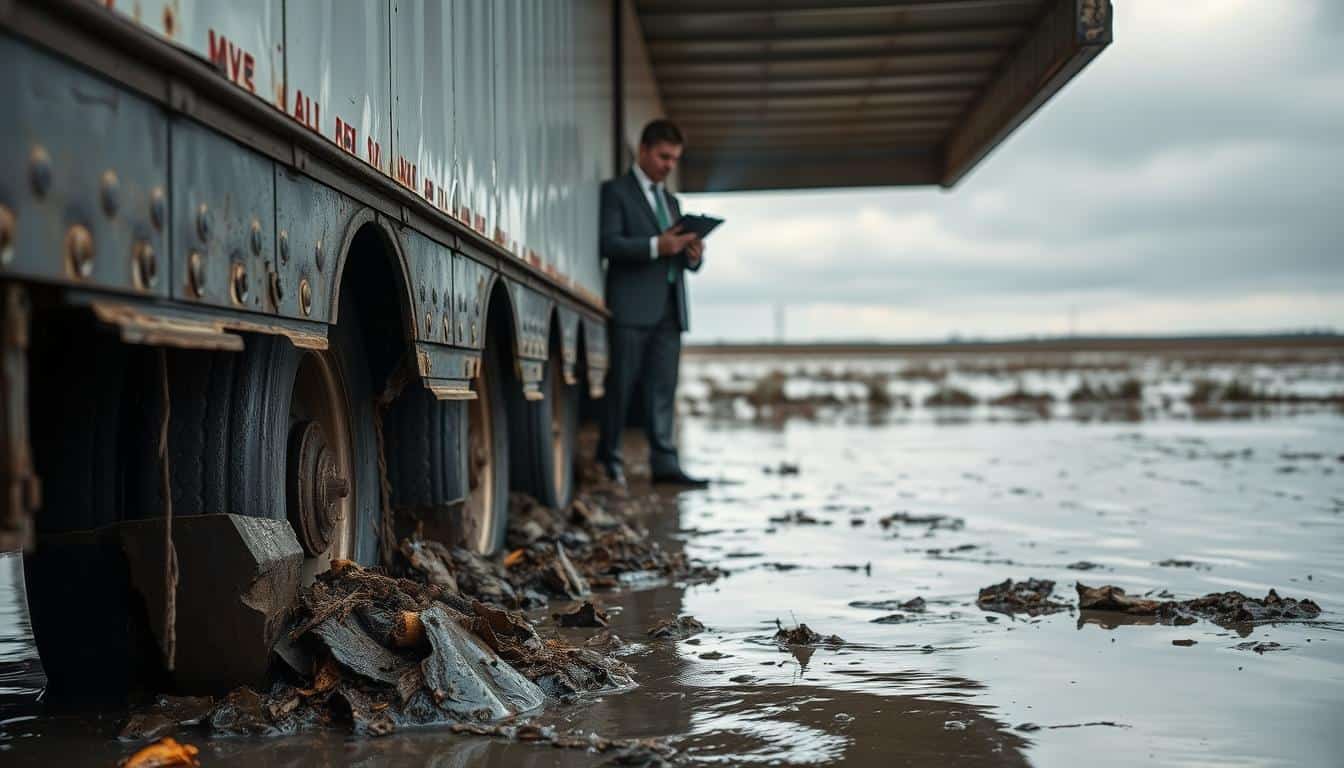
Discovering water intrusion in your recreational vehicle can be an overwhelming experience. We understand the stress that comes with protecting your investment, especially when navigating the unique challenges found within the Italian market.
Our team utilizes the MOTOEXPERT approach to provide you with a comprehensive trailer flood damage review. We aim to offer the clarity you need to make informed decisions regarding your vehicle’s structural integrity and long-term maintenance.
By focusing on proactive solutions, we help you manage moisture-related issues effectively. Our goal is to ensure your vehicle remains in top condition, allowing you to enjoy your travels with complete peace of mind.
Key Takeaways
- Understand the critical impact of water intrusion on RV structural health.
- Learn how the MOTOEXPERT methodology identifies hidden moisture issues.
- Gain insights into the financial implications of environmental exposure in Italy.
- Receive expert guidance on long-term maintenance and preservation strategies.
- Make confident, data-driven decisions to protect your recreational vehicle investment.
Understanding Trailer Flood Damage
We believe that knowing the mechanics of water intrusion is the best way to preserve your investment. Moisture acts as a silent saboteur, slowly breaking down the materials that keep your mobile home safe and comfortable. Conducting a regular trailer flood damage review helps you catch these issues before they turn into expensive repairs.
Definition of Flood Damage
Flood damage refers to any unwanted water intrusion that compromises the structural integrity of your vehicle. This goes beyond simple spills; it involves moisture seeping into the frame, insulation, and wall cavities. When you perform a trailer flood damage review, you are looking for signs that water has breached the protective exterior shell.
Common Causes of Flood Damage
Several vulnerabilities often lead to water leaks in recreational vehicles. Failed roof seals are a primary culprit, as they allow rain to pool and eventually seep into the ceiling panels. Additionally, cracked window caulking and damaged roof vents create easy pathways for water to enter the interior.
We often see these issues develop over time due to constant exposure to the elements. If these small gaps remain unsealed, they can lead to significant structural decay. Staying ahead of these common failure points is vital for every owner.
Importance of Early Detection
Proactive monitoring serves as your primary defense against leaks that lead to catastrophic failure. By checking your seals and seams frequently, you can stop water from causing long-term harm. A consistent trailer flood damage review ensures that your home remains dry and secure for years to come.
Do not wait for visible mold or soft spots to appear before taking action. Early detection saves you time, money, and the stress of major restoration projects. We encourage you to make these inspections a standard part of your maintenance routine.
Evaluating the Extent of Damage
We believe that a thorough inspection is the best way to protect your investment from hidden moisture. Performing a proper trailer water damage assessment allows you to catch small issues before they evolve into major structural failures. By staying proactive, you can ensure your vehicle remains safe and roadworthy for years to come.
Signs of Water Damage in Trailers
Water often hides in places that are not immediately obvious to the naked eye. You should look for subtle indicators such as discolored or peeling wallpaper, which often signal trapped moisture behind the paneling. Additionally, walk through your trailer to feel for soft spots on the floor, as these indicate that the subflooring has likely begun to rot.
Do not ignore your sense of smell during this process. A persistent, musty odor is a classic sign that mold or mildew is growing in an unseen area. If you notice these smells, it is time to investigate the wall cavities and ceiling panels more closely.
Tools for Assessment
To conduct a truly effective evaluation, you need the right equipment. Moisture meters are invaluable tools for detecting hidden saturation within wall cavities or under subflooring where your eyes simply cannot see. These devices provide an objective reading of the moisture content in materials like wood and insulation.
We recommend using a comprehensive trailer flood damage inspection checklist to keep your efforts organized. This systematic approach ensures that you do not miss critical areas like window seals, roof seams, or slide-out gaskets. By following a structured plan, you can confidently identify vulnerabilities and address them before they compromise your trailer’s integrity.
The Impact of Flood Damage on Trailers
When water enters your trailer, the hidden damage can be far worse than what you see on the surface. Conducting a thorough trailer water damage assessment is vital to understanding the long-term health of your vehicle. We must look beyond the cosmetic issues to identify deep-seated problems that threaten your safety.
Structural Integrity Concerns
Water penetration often reaches the luan plywood backing hidden behind your fiberglass siding. Once this material becomes saturated, it loses its strength and begins to rot. This process leads to delamination, where the outer skin separates from the frame, causing the walls to weaken significantly.
If left unchecked, this decay compromises the entire structure of your trailer. We strongly recommend professional intervention to evaluate the extent of the rot. Ignoring these signs can lead to costly repairs or even total structural failure over time.
Electrical System Fixes
Water intrusion near electrical outlets or wiring creates an immediate and life-threatening danger. Moisture acts as a conductor, which can lead to dangerous shocks or even electrical fires. If you suspect that water has reached your wiring, you must turn off all power supplies immediately to prevent injury.
Performing a careful trailer water damage assessment of your electrical system is a job for a certified technician. They can identify corroded connections and damaged insulation that are not visible to the naked eye. Never attempt to restore power until a professional has cleared the system for safe use.
Safety Hazards
Beyond the physical damage, flood events introduce serious health and safety risks to your living space. Damp environments encourage the rapid spread of contaminants that can affect your well-being. We prioritize your safety by urging you to treat any water-damaged area as a potential hazard until it is fully inspected.
A comprehensive trailer water damage assessment helps you identify these risks before they escalate. By acting quickly and seeking expert advice, you protect both your investment and your family. Staying informed is the best way to navigate the challenges of flood recovery.
Documentation and Evidence Collection
We believe that thorough documentation acts as the ultimate bridge between a damaged trailer and a successful insurance claim. When you face water damage, your ability to prove the extent of the loss is essential for a fair settlement. By keeping clear records, you ensure that no detail is overlooked during the evaluation process.
Importance of Detailed Records
Maintaining a chronological log of your findings helps experts understand the history of the vehicle. We recommend starting your notes the moment you discover the water intrusion. Consistency is key when you are tracking the progression of moisture and structural decay over time.
Organizing your evidence allows you to present a professional case to your insurance provider. This preparation minimizes confusion and helps you avoid unnecessary delays. Using a structured trailer flood damage inspection checklist ensures that you cover every critical system, from the floorboards to the electrical wiring.
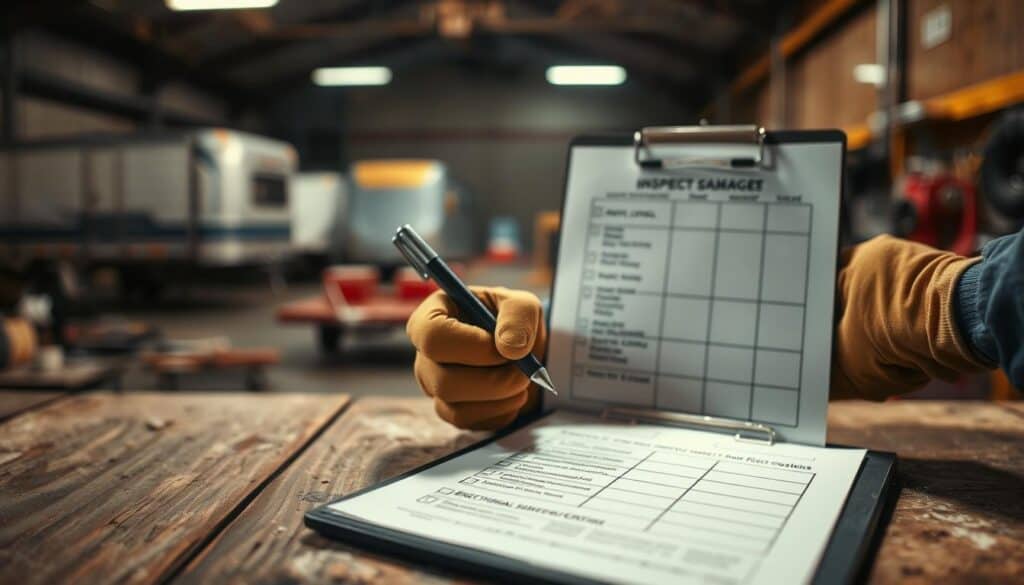
Taking Photos and Videos
Visual evidence provides the most compelling proof for adjusters. We suggest capturing high-quality photographs from multiple angles to show the full scope of the damage. Make sure to include wide shots of the entire trailer and close-up images of specific problem areas like mold or rusted components.
Videos are also highly effective for documenting hidden issues. Walk through the trailer slowly while narrating what you see to provide context for the viewer. This visual narrative helps the insurance company grasp the severity of the situation quickly.
Writing a Damage Report
Once you have gathered your visual evidence, you should compile a written report. This document should detail the date, time, and specific location of each damaged item. You might also want to research the typical trailer flood damage assessment cost to understand what your repairs might entail.
Your report should be clear, concise, and objective. By including a trailer flood damage assessment cost estimate, you demonstrate that you have done your homework. This level of detail often speeds up the approval process for your claim.
| Documentation Type | Primary Benefit | Frequency |
|---|---|---|
| Photographs | Visual Proof | Daily |
| Video Walkthrough | Contextual Detail | Initial Discovery |
| Written Log | Chronological History | Ongoing |
| Repair Estimates | Financial Planning | Weekly |
Insurance Considerations
We often find that the difference between a smooth claim process and a major headache lies in your preparation. Navigating the fine print of your policy is a critical step in protecting your investment after a disaster. By taking proactive measures, you ensure that your financial recovery is as seamless as possible.
Understanding Your Coverage
It is vital to recognize that insurance companies often distinguish between sudden accidents and long-term neglect. Your trailer flood damage insurance coverage depends heavily on the specific language within your policy documents. We recommend reviewing your contract annually to confirm exactly what types of water-related incidents are included.
If you are unsure about your current protection, reach out to your agent for a detailed explanation. Knowing your limits prevents unpleasant surprises when you need support the most. Always verify if your policy covers external flooding or if it is limited to internal plumbing failures.
Filing a Claim for Flood Damage
When you decide to file a claim, your documentation serves as your strongest evidence. Keeping a detailed service history is essential for your protection, as it proves that you maintained the trailer properly before the event occurred. This history helps demonstrate that the damage was not the result of ongoing wear or lack of care.
Start your claim by gathering all receipts, maintenance logs, and photos of the affected areas. Providing a clear, chronological timeline of events helps the insurance company process your request faster. Remember, transparency is key to building trust with your provider during this stressful time.
Working with Adjusters
You will likely interact with an adjuster who needs to verify the extent of the destruction. We suggest providing them with a data-driven breakdown of your trailer’s condition to support your case. By aligning your valuation report with the specific requirements of your provider, you ensure that you are not under-insured.
While the trailer flood damage assessment cost can vary, having your own independent report can be a powerful tool. It allows you to advocate for a fair settlement based on current market values and repair estimates. Use the following table to organize your documentation efforts effectively.
| Documentation Type | Purpose | Priority Level |
|---|---|---|
| Service History Logs | Proves maintenance | High |
| Damage Photos | Visual evidence | Critical |
| Repair Estimates | Cost justification | High |
| Policy Documents | Coverage verification | Medium |
Repairing Flood-Damaged Trailers
We know that seeing your trailer damaged by water is stressful, but there is a path forward. The recovery process depends heavily on the severity of the water intrusion and the age of your unit. Taking the right steps early can prevent further decay and save you money in the long run.
Temporary Solutions
Immediate action is vital to stop the spread of moisture. You should start by removing all wet items, such as carpets, cushions, and curtains, to allow the interior to breathe. Using industrial-grade dehumidifiers and fans is one of the most effective trailer flood damage repair tips to prevent secondary issues like warping or rot.
Ensure that you seal any broken windows or roof leaks with heavy-duty plastic sheeting. This temporary protection keeps the elements out while you assess the full scope of the damage. Keeping the environment dry is the best way to stabilize the structure before permanent work begins.
Long-Term Restoration Options
Once the unit is dry, you must decide between targeted repairs and a full structural rebuild. If the water damage is localized, replacing specific wall panels or floor sections might be enough. However, if the subfloor or frame has been compromised, a more extensive restoration is necessary to ensure your safety.
Always insist on using professional-grade materials that are specifically rated for outdoor and mobile use. Standard residential materials often fail to withstand the vibrations and temperature shifts common in trailers. Investing in high-quality, moisture-resistant insulation and marine-grade adhesives will extend the life of your repairs significantly.
Choosing the Right Professionals
Finding reliable trailer flood damage restoration services requires a bit of research. You should look for contractors who have specific experience with mobile units rather than general home builders. A specialist will understand the unique framing and electrical systems that make trailers different from traditional houses.
When you receive quotes, compare them carefully to ensure you are getting a fair deal. Do not be afraid to ask for references or photos of previous projects they have completed. Quality workmanship is your best defense against future problems, so prioritize expertise over the lowest price tag.
Preventative Measures for Flood Damage
Preventing water intrusion is the most effective strategy for long-term trailer ownership. While many owners focus on trailer flood damage repair tips after a disaster, we believe that stopping the problem before it starts is far more efficient. By investing a little time in your rig today, you avoid the stress and high costs associated with water-logged interiors.
Essential Upgrades for Trailers
Upgrading your trailer with the right gear makes a massive difference in moisture control. We highly recommend using breathable trailer covers that allow trapped moisture to escape while keeping rain out. These covers prevent the “greenhouse effect” that often leads to hidden rot and structural decay.
Additionally, applying high-quality, marine-grade sealants to your roof seams and window frames provides a vital barrier. These small upgrades act as your first line of defense against heavy storms. Consistent sealing ensures that your investment remains dry even during the wettest seasons.
Safe Parking Practices
Learning how to prevent trailer flood damage often comes down to where you choose to park. We always suggest parking on a slight incline whenever possible. This simple trick allows rainwater to flow off the roof naturally rather than pooling around vents or AC units.
“Water is the silent enemy of every recreational vehicle; if you don’t give it a path to run away, it will eventually find a way inside.”
Avoid parking in low-lying areas or near drainage ditches that could overflow during a flash flood. Choosing a site with gravel or concrete pads also helps keep the undercarriage away from mud and standing water. These best practices for trailer flood damage mitigation keep your chassis protected from rust and corrosion.
Maintenance Tips
A consistent seasonal maintenance schedule is the backbone of a healthy trailer. We recommend inspecting your roof seals and window frames at least twice a year. Catching a tiny crack early is much cheaper than replacing an entire wall panel later.
| Maintenance Task | Frequency | Benefit |
|---|---|---|
| Roof Seal Inspection | Every 6 Months | Prevents leaks |
| Window Frame Check | Every 6 Months | Stops water seepage |
| Tire Pressure Check | Before Every Trip | Ensures stability |
| Vent Cover Cleaning | Annually | Improves drainage |
Keep a detailed log of your inspections to track the condition of your seals over time. Proactive care not only extends the lifespan of your rig but also ensures your future adventures remain completely worry-free. Stay diligent, and your trailer will reward you with years of reliable service.
The Role of Mold and Mildew
After water enters your trailer, the silent threat of mold and mildew begins to grow. If you want to know how to prevent trailer flood damage from becoming a permanent structural issue, you must act quickly. Moisture trapped in walls or flooring creates the perfect breeding ground for fungal colonies.
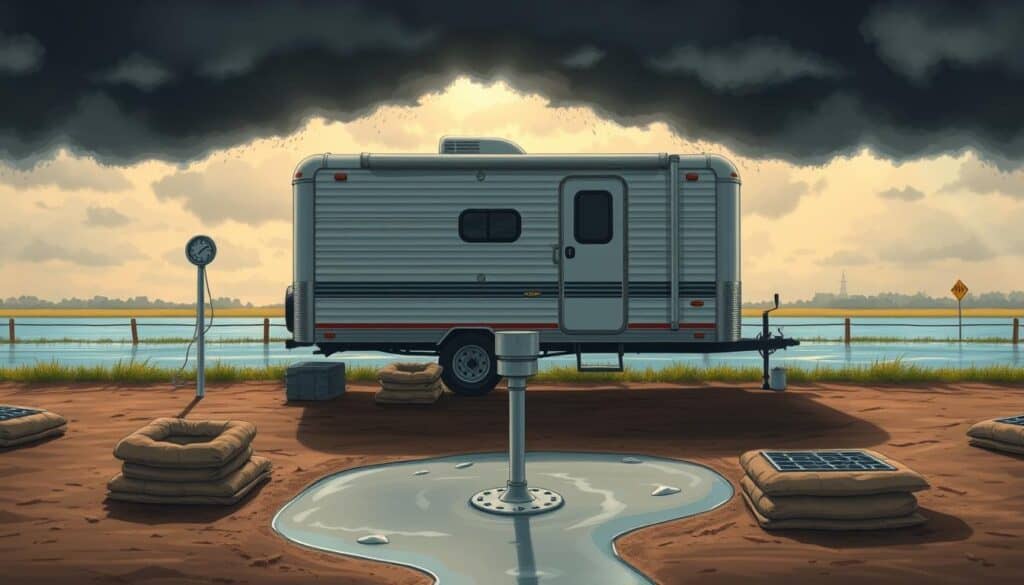
Identifying Mold Growth
You can often detect mold before you see it by relying on your sense of smell. A musty, damp odor is the most common indicator that spores have taken hold in your upholstery or insulation. Visually, look for fuzzy patches or dark discoloration on porous surfaces like wood paneling and fabric.
Check hidden areas such as under cabinets, behind wall panels, and inside storage compartments. These dark, stagnant spaces are where mold thrives most aggressively. Early detection is essential to stop the spread before it compromises the integrity of your trailer.
Health Implications
Mold spores pose serious health risks if left unchecked in a damp environment. Inhaling these particles can lead to respiratory issues, allergic reactions, and skin irritation. We strongly recommend that you always wear protective gear, such as respirators and goggles, when cleaning up after water damage.
Do not underestimate the impact of poor air quality on your well-being. By prioritizing safety, you protect yourself while working to restore your living space. Proper gear ensures that you can handle the cleanup process without compromising your health.
Remediation Steps
Effective remediation requires pulling moisture from the air and surfaces as quickly as possible. We suggest using high-velocity fans and industrial-grade dehumidifiers to circulate air throughout the trailer. Consistent airflow is the most effective way to ensure you have successfully mitigated the risk of future rot.
The following table outlines the most effective tools for managing moisture levels during your recovery efforts:
| Tool | Primary Function | Efficiency Level |
|---|---|---|
| High-Velocity Fan | Evaporates surface water | High |
| Dehumidifier | Removes moisture from air | Very High |
| HEPA Vacuum | Removes dry mold spores | High |
Following these steps is a vital part of learning how to prevent trailer flood damage from recurring. By maintaining a dry environment, you safeguard your trailer against the long-term effects of fungal growth.
Personal Experiences with Flood Damage
Navigating the aftermath of water intrusion is often easier when you learn from those who have walked the path before you. We have spoken with many owners who faced the shock of discovering hidden moisture in their units. These personal accounts highlight that while the situation feels overwhelming, it is entirely possible to restore your home on wheels.
Stories from Trailer Owners
One owner, Sarah, shared how she discovered soft spots in her floor after a heavy storm. She initially ignored the slight “give” under her feet, thinking it was just a loose board. Within weeks, the damage spread, requiring a full subfloor replacement.
Another traveler, Mark, acted immediately upon noticing a musty smell near his slide-out. By catching the issue early, he saved his trailer from extensive rot. His story proves that speed is your greatest ally when dealing with water damage.
Lessons Learned
The most significant takeaway from these experiences is the vital role of professional intervention. Many owners attempt DIY fixes, only to realize that structural integrity requires expert tools and knowledge. Do not hesitate to call in specialists if you suspect deep-seated moisture.
Furthermore, understanding your trailer flood damage insurance coverage is essential before disaster strikes. Many owners learned the hard way that not all policies are created equal. We recommend reviewing your documents today to ensure you have the protection you need.
- Always inspect your seals and seams after every major storm.
- Document every sign of moisture with clear photos for your records.
- Consult with professionals early to prevent minor issues from becoming major repairs.
- Verify your trailer flood damage insurance coverage to avoid unexpected out-of-pocket costs.
Expert Opinions on Flood Damage Recovery
We believe that professional insight is the cornerstone of a successful recovery process for any flood-damaged vehicle. Navigating the aftermath of water intrusion requires a deep understanding of both mechanical and structural integrity. When you seek advice from the top trailer flood damage experts, you gain access to decades of specialized knowledge that can save you time and money.
Insights from Professionals
Our team at MOTOEXPERT brings over 25 years of experience in the European automotive field to every technical review. We have seen firsthand how water damage can hide in plain sight, affecting critical systems that are not immediately visible to the untrained eye. Professional intervention is essential because it ensures that your vehicle meets all local safety and legal standards before it hits the road again.
Experts utilize specialized equipment to detect moisture trapped within wall cavities and electrical conduits. This diagnostic precision is vital for long-distance travel, where a hidden failure could lead to dangerous situations. We remain committed to providing accurate data that helps you make informed decisions about your property.
Best Practices for Restoration
When you engage trailer flood damage restoration services, you are investing in the longevity of your investment. The best approach involves a thorough technical valuation followed by a systematic repair plan. We recommend documenting every step of the process to ensure your insurance claims are handled with the necessary evidence.
The following table outlines why professional services often outperform DIY attempts when dealing with severe water damage:
| Feature | DIY Approach | Professional Service |
|---|---|---|
| Moisture Detection | Surface level only | Deep thermal imaging |
| Electrical Safety | High risk of shorts | Certified testing |
| Insurance Claims | Often rejected | Fully documented |
| Long-term Value | Risk of mold return | Guaranteed remediation |
Ultimately, your safety is our primary concern. By choosing to work with qualified specialists, you ensure that your trailer is restored to a condition that is both safe and reliable for your future adventures.
Resources for Trailer Owners
Navigating the aftermath of water damage requires access to reliable information and expert guidance. We believe that transparency is the foundation of a successful partnership between a repair shop and a vehicle owner. By utilizing the right tools and networks, you can ensure your trailer maintains its long-term value while working with the top trailer flood damage experts.
Online Communities and Forums
Connecting with fellow owners provides invaluable emotional support and practical advice. Many online forums allow you to share your specific situation and receive feedback from those who have faced similar challenges. These digital spaces are excellent for finding recommendations for local services and learning about common pitfalls to avoid during the restoration process.
Local Workshops and Seminars
Hands-on learning is often the best way to understand the technical aspects of your vehicle. We encourage you to attend local workshops where you can learn about industry-standard maintenance and repair techniques. These events often feature demonstrations that help you identify potential issues before they escalate into major structural problems.
Helpful Websites and Guides
Staying updated on the latest restoration benchmarks is vital for your safety. We recommend bookmarking official industry websites that provide comprehensive databases and repair manuals. By consulting these resources, you can easily verify the credentials of the top trailer flood damage experts in your area. Utilizing these guides ensures that you remain informed about the most effective methods for protecting your investment.
- Join specialized social media groups for trailer maintenance.
- Attend regional trade shows to meet certified technicians.
- Download official manufacturer repair guides for your specific model.
Conclusion and Our Final Thoughts
Managing your trailer requires a sharp eye and a commitment to long-term care. We believe that proactive monitoring serves as your best defense against unexpected water issues. By documenting every detail of your maintenance journey, you build a strong shield for your property.
Essential Steps for Ongoing Care
Adopting the best practices for trailer flood damage mitigation keeps your living space secure during your travels across Italy. Regular inspections allow you to catch small leaks before they turn into major structural failures. We urge you to prioritize these checks to maintain a dry and healthy environment.
Building a Resilient Future
Your diligence today prevents significant headaches during future road trips. Seeking expert help from professionals like those at Dethleffs or Hymer ensures your repairs meet high safety standards. We encourage you to stay vigilant so your mobile home remains a comfortable sanctuary for years to come. Implementing the best practices for trailer flood damage mitigation is the smartest way to enjoy worry-free adventures.
FAQ
Why is a comprehensive trailer flood damage review necessary after a storm?
What tools do you recommend for a professional trailer water damage assessment?
Who should I contact as the top trailer flood damage experts for repairs?
Can you share some essential trailer flood damage repair tips for DIY owners?
What items are included in your trailer flood damage inspection checklist?
What are the best ways regarding how to prevent trailer flood damage?
When should I hire professional trailer flood damage restoration services?
What are the industry best practices for trailer flood damage mitigation?
Will my trailer flood damage insurance coverage pay for a full replacement?
How much does a professional trailer flood damage assessment cost on average?
Likwidacja szkody: samodzielnie czy z MOTOEXPERT?
Porównaj, zanim ubezpieczyciel zdecyduje za Ciebie.
| ✗ Samodzielnie (kalkulator / AI ubezpieczyciela) | ✓ Z MOTOEXPERT + rekomendowany Adwokat |
|---|---|
| Wycena rzeczoznawcy ubezpieczyciela — interes płatnika, ryzyko zaniżenia | Niezależna certyfikowana opinia techniczna — pełny kosztorys wg stawek rynkowych |
| Pominięte pozycje: utrata wartości, auto zastępcze, holowanie | Komplet roszczeń: utrata wartości pojazdu, auto zastępcze, koszty dodatkowe |
| Samotne negocjacje z ubezpieczycielem, bariera językowa | Obsługa po polsku + rekomendowany Fachanwalt für Verkehrsrecht do reprezentacji prawnej |
| Sztuczna inteligencja nie stanie za Tobą w sądzie — koszt błędu ponosisz Ty | Szkoda z OC sprawcy w Niemczech przy jednoznacznej odpowiedzialności: uzasadnione koszty rzeczoznawcy co do zasady pokrywa ubezpieczyciel sprawcy (§ 249 BGB) |