A sound appraisal separates roof-shell and lifting-system damage from water ingress, structural changes and damage to bespoke furniture, then links each finding to its cause, repair scope and vehicle value. A campervan pop top roof and van conversion damage assessment should cover both the roof and your individual build. GRP means glass-reinforced plastic, a composite material used for some campervan roof shells.
If your converted van has been damaged, is leaking or no longer closes squarely, you need more than a note of visible faults. The market for converted vehicles includes highly individual builds, so standard van values may not reflect your furniture, roof or workmanship. A useful assessment separates what the appraiser can see from conclusions about cause and value. It helps you understand what needs repair and how the damage may affect the van’s worth. Keep the damaged van’s condition and conversion details together when you arrange an assessment.
Key Takeaways
- Record roof, water and furniture damage as separate findings.
- Photograph the roof raised and latched, only when safe.
- Keep conversion invoices, repair history and dated images together.
- Separate repair costs from the van’s value before damage.
- Ask for a written scope that covers your custom build.
How to Assess Campervan Pop Top Roof and Van Conversion Damage
A pop-top’s damage can sit in its shell, moving hardware, fabric sides or sealing junctions, and those faults should be recorded separately. Each part needs its own finding, since a shell crack, torn canvas and failed seal involve different repairs. Do not treat every leak as a cracked roof shell.
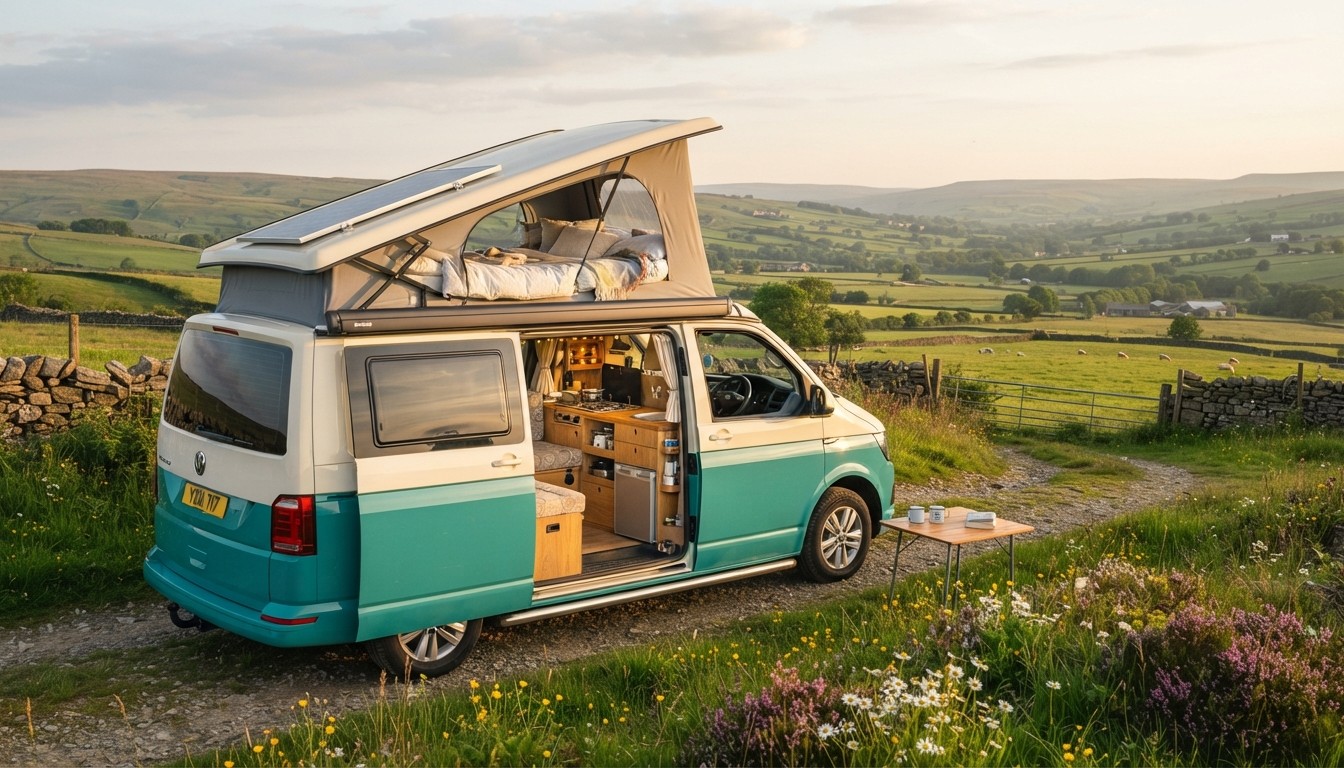
A pop-top roof assembly includes a lifting panel, folding fabric bellows, hinges, lift mechanisms and travel latches. The roof may lift at the front, at the rear, or through scissor or parallel-rising hardware. Each design places moving parts and mounts in different positions.
Record damage by component, not as one general roof fault. A leak may begin at a fabric seam or seal, even when the GRP shell looks sound.
GRP shells and lifting hardware
Look over the GRP shell for cracks, splits, impact marks and changes in shape. Give close attention to the areas around hinges and mounts, where movement or stress may show. A surface mark alone does not establish how far damage extends.
Check whether the lifting panel rises evenly and whether the hinges and lift mechanisms appear secure. Look at the travel latches and their attachment points, too. A latch that does not engage can leave the roof unsecured for travel.
Canvas, seals and water ingress
Inspect the canvas for tears, worn fabric and damaged seams. Follow the fabric around its full join with the roof and body. Canvas damage differs from a shell crack, even when both let water into the van.
Check the perimeter seals and the junctions around hinges and mounts. Staining, damp trim or a musty smell can point to water entry, even when the van feels dry during inspection. Moisture may also mark a path away from its entry point.
Note the exact junction where moisture or visible damage first appears, rather than describing the whole roof as leaking.
Inspect the Van and Record the Evidence
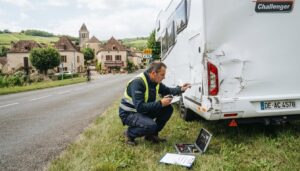
A clear record starts with the van’s identity, the roof’s position and dated photographs taken before repairs begin. Keep it orderly, so each image and note can be tied to a specific part of the vehicle. Never operate a roof that appears unsafe just to complete the record.
Use six parts to build a record of the van, its roof and its conversion. Take wide views to show where damage sits, then close images of the detail. Add a scale beside a crack or tear when practical.
Exterior and roof checks
Take photographs both with the roof raised and latched closed, but only if operating it is safe. If it cannot be moved safely, record its position and do not force it. Include views of the vehicle’s outside and the roof installation.
- Vehicle identity: record the VIN, registration details, make and model.
- Roof position: note whether it is raised, lowered or unable to move.
- Exterior views: photograph the van and roof from several sides.
- Close-ups: show cracks, mounts, hinges, latches and nearby damage.
- Interior moisture: record stains, damp areas and affected trim.
- Conversion records: gather fitting details, invoices and repair history.
Interior and conversion records
Use windows, door frames and other fixed points to show where a mark sits. Include the bed, cupboards and other fittings if they are near the damage. These views can help show whether the conversion or its contents have shifted.
Write down when you first noticed a leak, a change in roof movement or a new mark. Date each note and keep the original image files, rather than only edited copies. If repair work has already taken place, add the work details and invoices.
Keep the original image files and dated notes with the van’s conversion paperwork.
Separate the Incident from Wear and Earlier Repairs
A crack or leak found today does not, by itself, show whether it began in a single incident or developed over time. Timing matters, because the appraisal should distinguish a reported event from older wear or repair work. Physical evidence and dated records must be considered together.
A sudden impact or strong wind event may fit a particular damage pattern, but the appraiser must assess the vehicle itself. Ageing seals, canvas wear, corrosion and earlier repairs may also contribute. One visible fault can have more than one possible explanation.
Sudden impact and weather exposure
Weather records from the German Weather Service (DWD) can help establish conditions for a place and time. They may show whether a reported storm or wind event affected that area. They do not prove that a particular crack or leak came from the weather.
Compare the date and reported circumstances with the damage pattern and location. A winter storm, for example, may be relevant to an incident account, but season alone cannot explain a fault. The inspection must still test whether the physical evidence fits that account.
Gradual deterioration and previous work
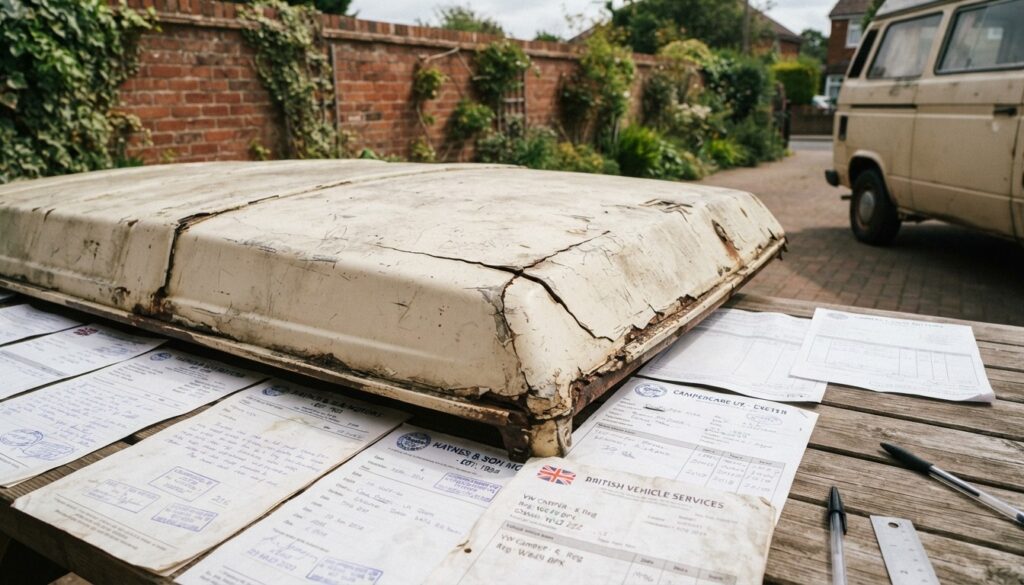
Seals, canvas and moving parts can change with age and use. Previous repair invoices may show what work took place, while dated photographs can show earlier visible damage. Neither record alone settles whether later damage came from a new event.
Forum discussions about campervan pop-top roof and van conversion damage can flag recurring symptoms. They cannot establish the cause or repair value of your vehicle, since each build and damage pattern differs. Use them as background, not as an appraisal.
Compare dated weather records with the physical damage pattern, not as a substitute for examining the vehicle.
What Drives Repair Scope and Cost?
Repair scope depends on what has failed, how far the damage extends and whether access affects the surrounding conversion. The material matters: a GRP shell, canvas panel and seal need different work and parts. Repair cost is separate from any change in the van’s value.
Campervan pop-top roof and van conversion damage costs depend on access, the extent of the fault, compatible parts and labour. Removing or refitting a bed, lining or furniture module can add work around the damaged area. Costs also depend on whether adjacent conversion fittings need repair.
Repairing shells, fabric and seals
A GRP shell repair can involve grinding out a crack, then re-laminating it with resin and reinforcement cloth. The repairer must assess the full damage area, including nearby mounts. A cosmetic patch may hide the mark without fixing a cracked mounting area.
A tear in canvas calls for work suited to its fabric and position. A failed seal or hinge-junction leak involves a different part and repair route. Continued water entry can also affect nearby lining, furniture and stored bedding.
Comparing repair with replacement
Repair may suit a local fault when the surrounding material remains sound. Replacement may be considered if damage is extensive or a compatible part is available and the repair cannot restore the roof’s function. The appraiser should explain the basis for the proposed scope.
DIY work or a quick surface patch may not reach the source of a leak. A damaged pop top can also affect the bed space, insulation and ventilation if parts no longer meet as designed. UK fitting prices should not be treated as German damage-repair prices.
| Damage area | Typical repair approach | Evidence needed | Repair or replacement consideration |
|---|---|---|---|
| GRP shell crack | Grind out and re-laminate with resin and reinforcement cloth | Crack extent and mount condition | Repair if damage is local; assess wider shell damage |
| Canvas tear | Patch or replace affected fabric | Tear location and fabric condition | Repair if adjoining canvas and seams remain sound |
| Seal or hinge-junction leak | Renew the seal or repair the affected junction | Entry point and nearby fitting condition | Check for concealed damage before choosing the work |
Do not treat a surface patch as a complete repair until the underlying crack, mounting point or leak path has been assessed.
Check Structural Safety and German Conversion Requirements
A conversion-related appraisal must assess not only what is damaged but whether the roof work and fixed fittings remain safely arranged. Load and attachment matter, since roof and furniture changes can affect the vehicle’s structure and balance. Fittings should minimise injury risk during a crash or emergency braking.
The vehicle manufacturer’s body-building guidance and the conversion’s weight distribution should inform the assessment. A pop-top roof adds roughly 45-160 kg to a van. Changes to roof structure or fitted furniture should be recorded when they affect structure or how weight sits.
Secure fittings and vehicle structure
Fixed modules need suitable attachments, not just a neat finish. An appraiser should consider whether furniture has affected nearby trim or bodywork, and whether its fittings remain secure. A DIY build still needs to be assessed as part of the vehicle.
Roof changes can alter the van’s height and weight. Furniture can also shift the load between areas. Include these details when they relate to the damage or the appraisal’s view of the vehicle’s safe arrangement.
TÜV inspection and conversion records
A TÜV inspection after a camper conversion checks for five key items:
- A seat.
- A table, which may be removable and stowed.
- A sleeping facility.
- A permanently installed cooker.
- Storage.
TÜV Merkblatt MB FZMO 0740, dated 21 May 2024, was the latest identified edition on 6 October 2026. The TÜV inspection guidance matters where conversion work or damage affects fitted items and vehicle structure. Keep the build details available to explain what changed.
Keep the conversion’s weight and installation records with the appraisal file.
What the Appraisal Should Say About Repair and Value
A useful appraisal separates the cost of putting damage right from the question of what the converted van is worth. Those are different figures, and each answers a separate question. The report should state the pre-damage value and any post-repair value effect separately.
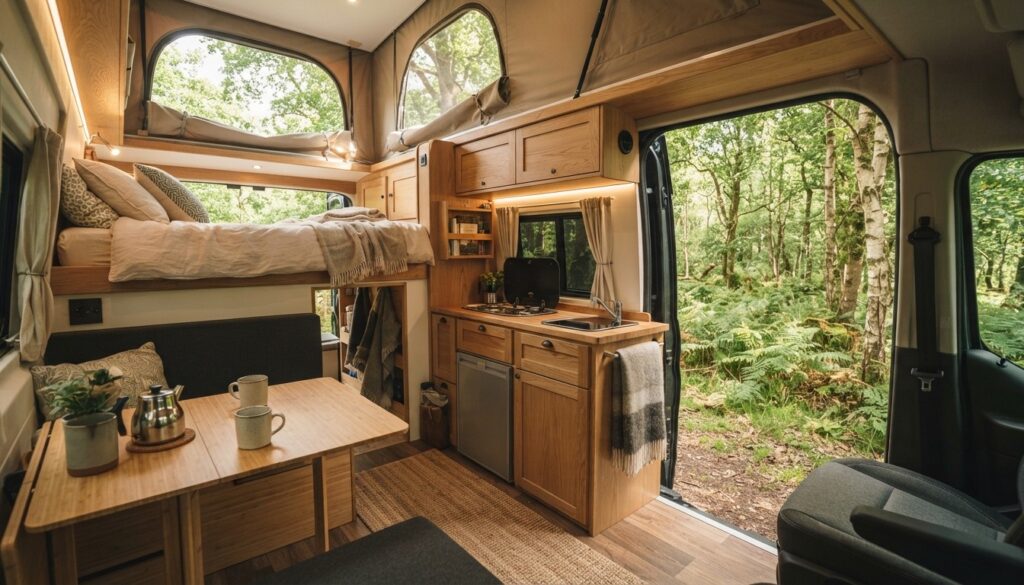
Custom furniture, roof type, workmanship, condition and invoices can all shape a value comparison. A standard panel van may not reflect the space, bed layout or finish in your build. The appraiser should explain which details support the figures.
Repair scope and supporting evidence
A repair-cost assessment describes the work needed and its expected cost. In German, this figure may be called Reparaturkosten. The report should connect the estimate to the observed damage and proposed repair method.
| Appraisal element | Question answered | Evidence considered | When it matters |
|---|---|---|---|
| Repair-cost assessment | What repairs are required? | Damage findings and repair scope | Planning or reviewing repair work |
| Pre-damage vehicle value | What was the van worth before damage? | Condition, build details and invoices | Assessing the loss from damage |
| Post-repair value effect | Does damage affect value after repair? | Repair quality and remaining impact | When repaired damage may still affect value |
Value effects of a custom conversion
Wiederbeschaffungswert means the value used to assess replacing the vehicle before damage. Restwert means its remaining value after damage. The appraiser should use each term only when it fits the case and explain what the figure represents.
Merkantile Wertminderung describes a possible loss in market value after a repair, even when the work is complete. It does not apply as a separate figure in every case. A custom build may affect the comparison, but invoices and condition help support the assessment.
Check that the report identifies which figures are repair estimates and which describe vehicle value.
Manage the Insurance Claim and Estimate Disputes
Before non-urgent repairs begin, make sure the damage evidence and the proposed scope are recorded in writing. Written details help you compare the insurer’s estimate with the work proposed for your van. Check with the insurer before authorising non-urgent work.
Keep emails, letters, estimates, invoices and photographs together. A written damage report can set out what the appraiser observed, which repairs are proposed and what evidence supports the view. The German Insurance Association (GDV) is an industry body for insurers.
Before authorising repairs
If the van cannot be secured safely, deal with the immediate risk first. Do not leave a loose roof or unsafe fitting to wait for routine claim steps. Record urgent work and keep its paperwork.
For other repairs, ask the insurer what approval or evidence it needs before work starts. Keep each estimate in its original form, including notes about parts, labour and any furniture that must be removed. This makes later comparisons clearer.
When estimates disagree
A second assessment can focus on the exact point of disagreement. That might be the cause, hidden damage, the repair method or the treatment of bespoke furniture. A focused review is more useful than asking for a general second opinion.
Compare the written scopes line by line. Check whether both estimates include access, removal and refitting of nearby conversion work. If one assumes a patch and the other includes a wider repair, ask each assessor to explain the difference.
Ask the insurer to confirm in writing what evidence or approval it needs before work starts.
Choose an Appraiser for a Converted Van
Choose an appraiser who can assess both vehicle-body damage and the details of your individual conversion. Relevant experience matters when the roof uses GRP or canvas and the interior includes bespoke modules. Agree the scope in writing before the inspection.
Check the appraiser’s vehicle-damage credentials and experience with converted vans. Ask whether they can assess custom furniture, roof structure and water entry, then explain repair and value conclusions in plain terms. BVSK is the German Federal Association of Independent Motor Vehicle Experts.
Relevant vehicle and conversion experience
A standard van inspection may not cover every issue in a campervan conversion. The appraiser should understand how the roof installation relates to the body and how fitted modules affect access. Experience with DIY builds can help them assess varied workmanship without assuming every build is alike.
Use this five-point checklist when comparing appraisers:
- Credentials in vehicle damage assessment.
- Relevant experience with GRP roofs and canvas.
- Knowledge of campervan conversions and custom modules.
- A clear written inspection scope.
- Transparent reporting on repair and value conclusions.
Agreeing the appraisal brief
Give the appraiser a three-part brief that names the roof structure, water ingress and custom interior modules separately. This helps keep distinct issues visible in the final report. It also gives you a clear way to check whether each requested area was assessed.
Retain the VIN and conversion invoices for the appraiser. Include specifications or records that explain how the van was built, especially where later work changed fittings or layout. Ask what the final report will cover, such as damage findings, repair scope and vehicle value.
Ask for the agreed inspection scope and the intended appraisal output in writing before commissioning the work.
Conclusion
A reliable assessment connects visible damage to its cause, repair needs and the value of the converted van. Keeping the roof condition and conversion details together gives the vehicle appraiser a clearer basis for the work.
Record the damage before repairs change what can be seen. If roof structure, water entry or custom fittings are affected, commission an appraisal with a written scope. That record can help you understand the work needed and the effect on your van’s value.
Photograph the damage, gather the conversion records and request a written appraisal scope before non-urgent repairs proceed.
FAQ
Can you drive a campervan with a damaged pop-top roof?
Does a leak always mean the pop-top roof shell is cracked?
Can a damaged pop-top canvas be repaired instead of replaced?
Can DIY furniture damage affect a campervan appraisal?
What documents help establish a converted van’s pre-damage value?
Should you repair a campervan before the insurer has inspected it?
Wycena szkody: samodzielnie czy z rzeczoznawcą MOTOEXPERT?
Porównaj, zanim ubezpieczyciel zdecyduje za Ciebie.
| ✗ Samodzielnie (kalkulator / AI ubezpieczyciela) | ✓ Z MOTOEXPERT + rekomendowany Adwokat |
|---|---|
| Wycena rzeczoznawcy ubezpieczyciela — interes płatnika, ryzyko zaniżenia | Niezależna certyfikowana opinia techniczna — pełny kosztorys wg stawek rynkowych |
| Pominięte pozycje: utrata wartości, auto zastępcze, holowanie | Komplet roszczeń: utrata wartości pojazdu, auto zastępcze, koszty dodatkowe |
| Samotne negocjacje z ubezpieczycielem, bariera językowa | Obsługa po polsku + rekomendowany Fachanwalt für Verkehrsrecht do reprezentacji prawnej |
| Sztuczna inteligencja nie stanie za Tobą w sądzie — koszt błędu ponosisz Ty | Szkoda z OC sprawcy w Niemczech przy jednoznacznej odpowiedzialności: uzasadnione koszty rzeczoznawcy co do zasady pokrywa ubezpieczyciel sprawcy (§ 249 BGB) |
📷 Zgłoś szkodę przez WhatsApp — wstępna ocena na podstawie zdjęć