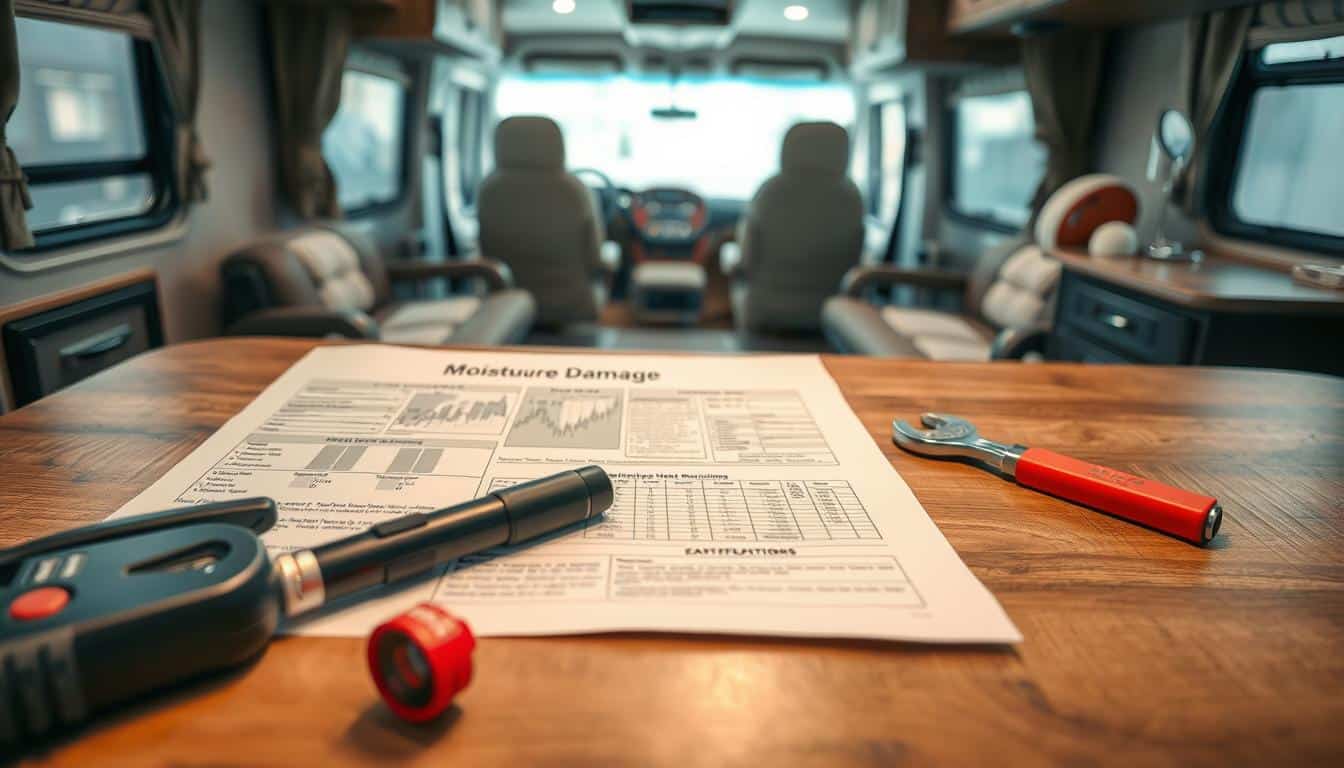
Owning a recreational vehicle is a dream for many travelers, but keeping it in top shape requires vigilance. One of the most significant threats to your investment is hidden water intrusion. A professional RV moisture damage report acts as a vital tool for every owner, providing a clear picture of your vehicle’s structural health.
By identifying leaks early, you can protect your financial investment and avoid costly repairs down the road. This comprehensive assessment ensures that your home on wheels remains safe and reliable for years to come. Utilizing an RV moisture damage report gives you the confidence to manage maintenance effectively and maintain the long-term value of your vehicle.
Key Takeaways
- Water intrusion is a leading cause of structural decay in recreational vehicles.
- Professional inspections identify hidden issues before they become expensive problems.
- Regular assessments help preserve the resale value of your mobile home.
- Early detection allows for simpler, more affordable maintenance solutions.
- Understanding your vehicle’s condition provides peace of mind during your travels.
What is an RV Moisture Damage Report?
An RV moisture damage report serves as a critical diagnostic tool for every traveler. It is a formal document that records the presence, extent, and origin of water intrusion within your vehicle. Unlike a casual glance at the walls, this report provides a comprehensive overview of the structural integrity of your home on wheels.
Definition and Purpose
A professional RV moisture damage assessment goes far beyond a simple visual check. It often requires technical oversight, such as using specialized sensors to identify hidden moisture trapped behind interior panels or insulation. Experts, such as those at MOTOEXPERT with over 25 years of experience in the automotive field, know that water often travels far from its entry point.
The primary purpose of this documentation is to create a clear roadmap for repairs. By identifying exactly where the water is hiding, you can avoid costly guesswork. This systematic approach ensures that you address the root cause rather than just the symptoms of the leak.
Importance for RV Owners
Understanding this report is essential for any owner looking to protect their significant financial investment. Accurate documentation acts as the foundation for all subsequent repair decisions. Without it, you might overlook structural compromises that could lead to dangerous mold growth or frame rot later on.
The following table highlights the key differences between a basic visual check and a professional evaluation:
| Feature | Visual Check | Professional Assessment |
|---|---|---|
| Detection Method | Eyesight only | Moisture meters & thermal imaging |
| Scope | Surface level | Structural & hidden cavities |
| Documentation | Informal notes | Formal, detailed report |
| Reliability | Low | High |
Ultimately, having a professional RV moisture damage assessment provides peace of mind. It ensures that your vehicle remains safe, dry, and ready for your next adventure. Investing in this level of detail today can save you thousands of dollars in future maintenance costs.
Common Causes of Moisture Damage in RVs
Moisture is a silent intruder that can compromise the structural integrity of your motorhome over time. Even the smallest gaps in your vehicle’s exterior can allow water to seep into walls and floors. Conducting a thorough RV water damage assessment early on helps you catch these issues before they turn into expensive repairs.
Weather-Related Issues
Nature often plays a significant role in how water enters your living space. Intense sunlight can cause rubber seals to dry out, crack, and shrink over time. When these seals fail, heavy rain or morning dew can easily find a path into your interior, leading to hidden rot.
Poor Maintenance Practices
Many owners overlook the importance of regular inspections for roof seams and window frames. If you fail to reseal these areas, you create an open invitation for moisture to settle. Consistent RV water damage assessment is vital to ensure that your maintenance routine is actually keeping the elements at bay.
Material Deterioration
Over the years, the materials used in RV construction naturally break down. Wood framing and insulation can lose their ability to resist moisture as they age. Once these materials become saturated, they lose their strength and become a breeding ground for mold.
| Entry Point | Primary Cause | Potential Impact |
|---|---|---|
| Roof Seams | Sun exposure | Ceiling rot |
| Window Seals | Vibration/Age | Wall damage |
| Slide-out Gaskets | Poor fit | Floor decay |
| Plumbing Vents | Seal failure | Structural mold |
By staying vigilant, you can prevent these common issues from ruining your travels. Remember that a proactive RV water damage assessment is the best way to keep your home on wheels safe and dry for years to come.
Signs Your RV May Have Moisture Damage
Detecting dampness early is the most effective way to protect your investment from hidden structural decay. By performing a consistent RV interior water damage review, you can catch small leaks before they evolve into expensive, deep-seated problems. Experts often utilize specialized moisture meters to find hidden water intrusion that remains invisible to the naked eye.
Visual Indicators
The first step in any RV moisture damage investigation involves a thorough walk-through of your vehicle. Look closely for discoloration on walls, ceilings, or flooring, which often appears as dark or yellowish stains. You should also press gently on surfaces near windows and vents to check for soft spots, as these indicate that the underlying wood structure has begun to rot.
Musty Odors
Sometimes, your nose will detect a problem long before your eyes do. A persistent, damp, or musty smell inside your cabin is a classic warning sign of trapped moisture. This odor often lingers in closets, under beds, or behind cabinetry where airflow is restricted. If you notice this scent, it is time to investigate the area for hidden leaks immediately.
Mold and Mildew Growth
Visible mold or mildew is a clear indicator that moisture has been present for an extended period. These fungi thrive in dark, humid environments and can pose significant health risks to you and your family. You should inspect corners, window seals, and the undersides of cushions for any fuzzy or discolored patches that suggest a deeper issue.
| Indicator Type | Common Location | Severity Level |
|---|---|---|
| Soft Flooring | Near Slide-outs | High |
| Musty Odors | Under Storage Beds | Medium |
| Wall Discoloration | Around Windows | High |
| Visible Mildew | Ceiling Vents | Low to Medium |
The Importance of Regular Inspections
Regular inspections serve as the primary defense against the silent threat of water intrusion. By dedicating time to examine your vehicle, you create a barrier that stops minor issues from escalating into expensive structural failures. Consistency is truly the secret to long-term ownership success.
Preventative Maintenance
Proactive care involves more than just cleaning the exterior; it requires a deep look at the seals and seams that protect your interior. When you catch a small crack early, you save yourself from the headache of replacing rotted wood or dealing with mold remediation later. Staying ahead of the weather is the best way to preserve your RV’s resale value.
“An ounce of prevention is worth a pound of cure, especially when it comes to the integrity of your home on wheels.”
Detailed Inspection Checklist
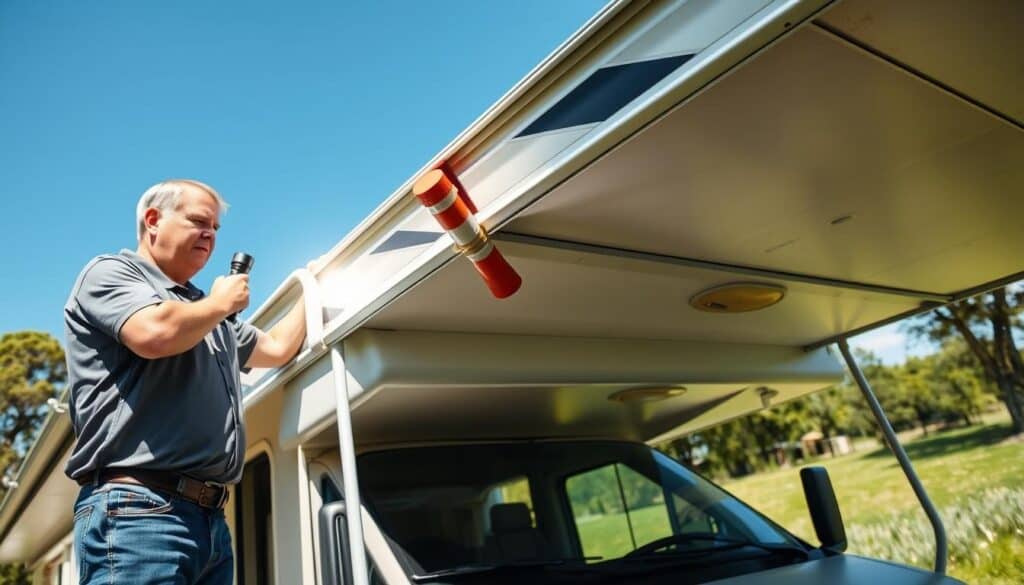
To keep your vehicle in peak condition, you should follow a structured routine. A thorough RV roof leak inspection should be performed at least twice a year, or after any major storm event. Use the following guide to ensure no critical area is overlooked during your assessment.
| Component | Action Required | Frequency |
|---|---|---|
| Roof Seals | Check for cracks or gaps | Every 3 months |
| Window Gaskets | Inspect for dry rot | Every 6 months |
| Slide-out Seals | Ensure proper compression | Before every trip |
| Chassis Integrity | Look for rust or water trails | Annually |
By following this checklist, you maintain a clear record of your vehicle’s health. Remember that a simple RV roof leak inspection can be the difference between a relaxing vacation and a costly trip to the repair shop. Keep your maintenance logs updated to ensure your safety on the road.
How to Conduct a Moisture Assessment
Identifying hidden water issues requires a systematic approach and the right set of tools. Performing a regular RV water damage assessment helps you catch small leaks before they turn into expensive structural repairs. By staying proactive, you ensure your vehicle remains safe and comfortable for every journey.
Using a Moisture Meter
A moisture meter is an essential device for any serious RV water intrusion evaluation. These tools measure the electrical resistance in materials like wood, fiberglass, and insulation to detect hidden dampness behind walls.
To use one effectively, press the sensor pins firmly against the interior walls or floors. Focus your efforts on areas near windows, roof seams, and slide-out seals where leaks are most common. A sudden spike in readings indicates that moisture has penetrated the surface, even if the area looks dry to the naked eye.
Visual Inspection Techniques
While technology is helpful, your eyes remain your most valuable asset during an inspection. Start by walking around the exterior to check for cracked sealant or loose trim pieces. These small gaps often serve as entry points for rainwater.
Inside the cabin, look for subtle signs of distress. Check for bubbling wallpaper, soft spots in the flooring, or dark stains on the ceiling panels. Consistent monitoring of these high-risk zones allows you to address potential problems early.
Seeking Professional Help
Sometimes, an RV moisture damage investigation requires a deeper look than a DIY approach can provide. Professional inspectors offer an objective, third-party perspective that is often necessary for insurance claims or legal documentation.
Experts use advanced thermal imaging cameras to see temperature differences caused by trapped water. If you suspect significant damage or are preparing to purchase a used RV, hiring a certified technician provides peace of mind. They can identify hidden rot that might be invisible during a standard walk-through.
| Method | Primary Tool | Best For | Skill Level |
|---|---|---|---|
| Visual Check | Flashlight | Surface issues | Beginner |
| Moisture Meter | Digital Sensor | Hidden dampness | Intermediate |
| Thermal Imaging | Infrared Camera | Deep structural leaks | Professional |
Repairing Moisture Damage in Your RV
Whether you choose to handle repairs yourself or hire a pro, your goal is restoring structural integrity. After completing a thorough RV moisture damage assessment, you will have a clearer picture of the work required. Some issues are simple enough for a weekend project, while others demand specialized tools and expertise.
DIY Repair Options
If the damage is limited to surface-level issues, you can often manage the RV moisture damage repair on your own. Minor tasks include resealing roof vents, replacing worn window gaskets, or cleaning small patches of surface mold. These preventative steps stop water from entering the cabin and causing further decay.
Always ensure you use high-quality, RV-specific sealants designed for your roof material. Proper preparation of the surface is essential for a long-lasting bond. If you are comfortable with basic tools, these small fixes can save you significant money over time.
When to Call a Professional
Not every repair is suitable for a DIY approach. If your assessment reveals soft spots in the floor, delamination of the sidewalls, or compromised electrical systems, it is time to contact a certified technician. Structural rot can weaken the frame of your vehicle, making it unsafe for travel.
Professionals possess the diagnostic equipment to find hidden leaks behind walls or under flooring. Attempting to fix deep-seated rot without the right training often leads to recurring problems. Relying on experts ensures that your vehicle remains safe and roadworthy for years to come.
| Repair Type | Complexity | Recommended Action |
|---|---|---|
| Surface Sealant | Low | DIY Maintenance |
| Minor Mold Removal | Low | DIY Cleaning |
| Structural Rot | High | Professional Repair |
| Electrical Damage | High | Certified Technician |
Cost Implications of RV Moisture Damage
Understanding the true cost of water damage is essential for every responsible RV owner. While small leaks might seem manageable at first, they often hide deeper structural problems that require professional intervention. Addressing these issues early is the best way to protect your wallet and your vehicle.
Average Repair Costs
When you seek an RV water damage analysis, you are investing in the longevity of your home on wheels. Professional repairs involve more than just patching a hole; they often require removing damaged insulation, replacing rotted wood, and sealing exterior seams.
Labor costs vary significantly based on the extent of the damage and the complexity of the RV’s construction. Materials such as specialized sealants, marine-grade plywood, and high-quality insulation also add to the final bill. Below is a general breakdown of potential expenses for common restoration tasks:
| Repair Task | Estimated Labor | Material Costs |
|---|---|---|
| Minor Sealant Replacement | Low | Minimal |
| Wall Panel Replacement | Moderate | Moderate |
| Subfloor Restoration | High | Significant |
Long-Term Financial Impact
Neglecting moisture issues can lead to a total loss of your vehicle’s market value. Once mold spreads into the structural framework, the cost of a comprehensive RV moisture damage repair can quickly exceed the current value of the unit. This situation often leaves owners with a depreciated asset that is difficult to sell or trade.
Beyond the immediate repair bills, consider these long-term financial risks:
- Decreased Resale Value: Buyers are wary of any history of water intrusion.
- Increased Insurance Premiums: Frequent claims related to maintenance neglect can lead to higher rates.
- Debt Accumulation: Financing repairs on a vehicle that is already losing value creates a cycle of debt.
By prioritizing regular inspections, you ensure your RV remains a source of joy rather than a financial burden. Proactive care is always more affordable than reactive restoration.
Insurance Considerations for RV Damage
Navigating the complexities of insurance coverage for moisture damage is much easier when you have the right documentation. Many owners feel overwhelmed by policy language, but understanding your specific plan is essential for protecting your investment. A professional RV water damage analysis can often serve as the foundation for your interactions with insurance adjusters.

What Does RV Insurance Cover?
Most standard policies cover sudden and accidental water damage, such as a burst pipe or a leaking roof caused by a storm. However, damage resulting from long-term neglect or wear and tear is frequently excluded from basic coverage. It is vital to review your policy to see if it includes comprehensive protection for moisture-related issues.
If you are unsure about your coverage, contact your agent to ask about specific endorsements. Some policies offer additional protection for seals and gaskets, which are common entry points for water. Having a clear RV water damage analysis on file before an incident occurs can help clarify what your provider considers a covered peril.
Filing a Claim for Moisture Damage
When you need to file a claim, the quality of your evidence determines the outcome. A detailed valuation report is key for your motorhome insurance claims, providing the objective data needed to secure a fair settlement. This report should document the extent of the damage and the estimated costs for professional repairs.
We strongly recommend working with certified RV technicians who understand the specific requirements of insurance companies. These professionals can provide a thorough RV water damage analysis that leaves no room for ambiguity. By presenting a well-documented case, you significantly increase your chances of a smooth and successful claims process.
Preventative Measures to Avoid Future Damage
Proactive maintenance is the secret to keeping your home on wheels in top condition for years. By staying ahead of potential issues, you can avoid the stress and high costs associated with water intrusion. Consistency is your best tool for long-term protection.
Best Practices for RV Maintenance
Regular inspections are the foundation of a healthy vehicle. You should perform a thorough RV roof leak inspection at least twice a year to check for cracks in the sealant or loose fasteners. Catching these small gaps early prevents water from seeping into your walls and causing hidden rot.
Don’t forget to examine your window gaskets and door seals during your routine checks. Over time, these rubber components can dry out or shrink, creating pathways for moisture. Applying a high-quality UV protectant can keep these seals flexible and effective for much longer.
Seasonal Preparation Tips
Preparing your vehicle for changing weather is essential for longevity. Before storing your RV for the winter, make sure to winterize your water lines to prevent freezing and bursting. Using a breathable cover is also a smart move, as it protects the exterior while allowing trapped moisture to escape.
If you live in a humid climate, consider using moisture-absorbing products inside the cabin during storage. These simple steps ensure that your RV remains dry and ready for your next adventure. Following a structured schedule helps you stay organized and diligent throughout the year.
| Maintenance Task | Frequency | Importance |
|---|---|---|
| RV roof leak inspection | Every 6 Months | Critical |
| Window Seal Check | Every 6 Months | High |
| Winterizing Lines | Annually | Critical |
| Exterior Wash | Quarterly | Moderate |
The Role of Humidity Control in RV Care
Controlling humidity levels inside your RV is a simple yet highly effective way to avoid costly repairs. By maintaining a stable environment, you perform a proactive RV water intrusion evaluation every single day. Consistent climate management prevents the damp conditions that lead to structural rot and expensive restoration projects.
Using Dehumidifiers
A high-quality dehumidifier is one of the best investments you can make for your vehicle. These devices actively pull excess moisture from the air, which significantly reduces the risk of condensation forming on walls and ceilings. You should look for compact, energy-efficient models designed specifically for small living spaces.
For those traveling in humid climates, a compressor-based unit often works best to keep the air crisp. If you prefer a quieter option, desiccant dehumidifiers are excellent for cooler environments. Always ensure your unit is placed in a central location to maximize its reach throughout the cabin.
Ventilation Strategies
Proper airflow acts as a natural shield against moisture buildup. Even when the weather is less than ideal, keeping your roof vents slightly open allows trapped humidity to escape. This simple habit is a crucial part of any RV interior water damage review, as it prevents stagnant air from settling in corners.
You can also utilize small 12-volt fans to circulate air in areas prone to dampness, such as closets or behind furniture. Opening windows during sunny days provides a quick, effective way to refresh the interior atmosphere. Consistent ventilation ensures that your living space remains dry, comfortable, and free from the threat of mold or mildew growth.
Resources for RV Owners
Navigating the world of RV ownership becomes much simpler when you have the right tools at your fingertips. Maintaining your vehicle to a high standard requires access to accurate information and a supportive community. By leveraging the right digital platforms and professional networks, you can ensure your home on wheels stays in peak condition for many years.
Helpful Websites and Apps
The digital landscape offers a wealth of information for modern travelers. Platforms like RV LIFE provide comprehensive trip planning and maintenance tracking features that help you stay organized. Additionally, forums such as iRV2 serve as excellent hubs where you can connect with experienced owners to discuss common issues and effective solutions.
Mobile applications have also revolutionized how we manage our vehicles. Many apps now allow you to store digital copies of your maintenance logs and service receipts in one secure location. Utilizing these tools ensures that you never miss a critical inspection date or a seasonal maintenance task.
Recommended Maintenance Services
Sometimes, the best approach involves calling in the experts. Professional RV technicians provide specialized assessments that go beyond basic visual checks. These experts often use advanced diagnostic equipment to detect hidden moisture issues before they escalate into costly structural damage.
When seeking professional help, look for certified service centers that specialize in your specific RV brand. Establishing a relationship with a trusted local shop can provide you with peace of mind during your travels. Consider these options for your maintenance needs:
- Certified RV Technicians: Look for technicians with RVIA or RVDA certifications.
- Specialized Repair Networks: Utilize national service chains that offer consistent quality across different states.
- Mobile Repair Services: These professionals come directly to your campsite, which is ideal for urgent repairs or routine check-ups.
Connecting with these resources will significantly enhance your ownership experience. Whether you are performing a DIY project or scheduling a professional inspection, having a reliable support system is truly invaluable for every RV enthusiast.
Conclusion: Keeping Your RV Moisture-Free
Keeping your recreational vehicle in top shape requires a steady commitment to care. You hold the power to extend the lifespan of your home on wheels by staying alert to small changes in your environment.
Consistent vigilance remains the best tool in your kit. Regular checks help you catch minor issues before they turn into expensive repairs. Brands like Dicor and EternaBond offer reliable supplies to help you seal gaps and protect your roof from water intrusion.
Accurate documentation of your maintenance history adds value to your vehicle. Keep a log of every inspection and repair you perform. This habit provides a clear picture of your RV health over time.
Reach out to certified technicians at local dealerships if you feel unsure about a specific repair. Expert guidance ensures your safety while you travel across the United States. Your dedication to these practices keeps your vehicle dry and ready for the next journey.
Enjoy the freedom of the open road with total peace of mind. Your proactive approach creates a safe space for your family and friends. Happy travels await as you head toward your next destination.
FAQ
What is included in a professional RV water damage assessment?
Why is an RV roof leak inspection so important for used motorhomes?
How can an RV moisture damage investigation help with insurance claims?
What are the primary tools used during an RV water intrusion evaluation?
Can I use a standard home moisture meter for an RV moisture damage assessment?
What should I look for in a professional RV moisture damage repair service?
How often should I schedule an RV moisture damage report for my vehicle?
Likwidacja szkody: samodzielnie czy z MOTOEXPERT?
Porównaj, zanim ubezpieczyciel zdecyduje za Ciebie.
| ✗ Samodzielnie (kalkulator / AI ubezpieczyciela) | ✓ Z MOTOEXPERT + rekomendowany Adwokat |
|---|---|
| Wycena rzeczoznawcy ubezpieczyciela — interes płatnika, ryzyko zaniżenia | Niezależna certyfikowana opinia techniczna — pełny kosztorys wg stawek rynkowych |
| Pominięte pozycje: utrata wartości, auto zastępcze, holowanie | Komplet roszczeń: utrata wartości pojazdu, auto zastępcze, koszty dodatkowe |
| Samotne negocjacje z ubezpieczycielem, bariera językowa | Obsługa po polsku + rekomendowany Fachanwalt für Verkehrsrecht do reprezentacji prawnej |
| Sztuczna inteligencja nie stanie za Tobą w sądzie — koszt błędu ponosisz Ty | Szkoda z OC sprawcy w Niemczech przy jednoznacznej odpowiedzialności: uzasadnione koszty rzeczoznawcy co do zasady pokrywa ubezpieczyciel sprawcy (§ 249 BGB) |