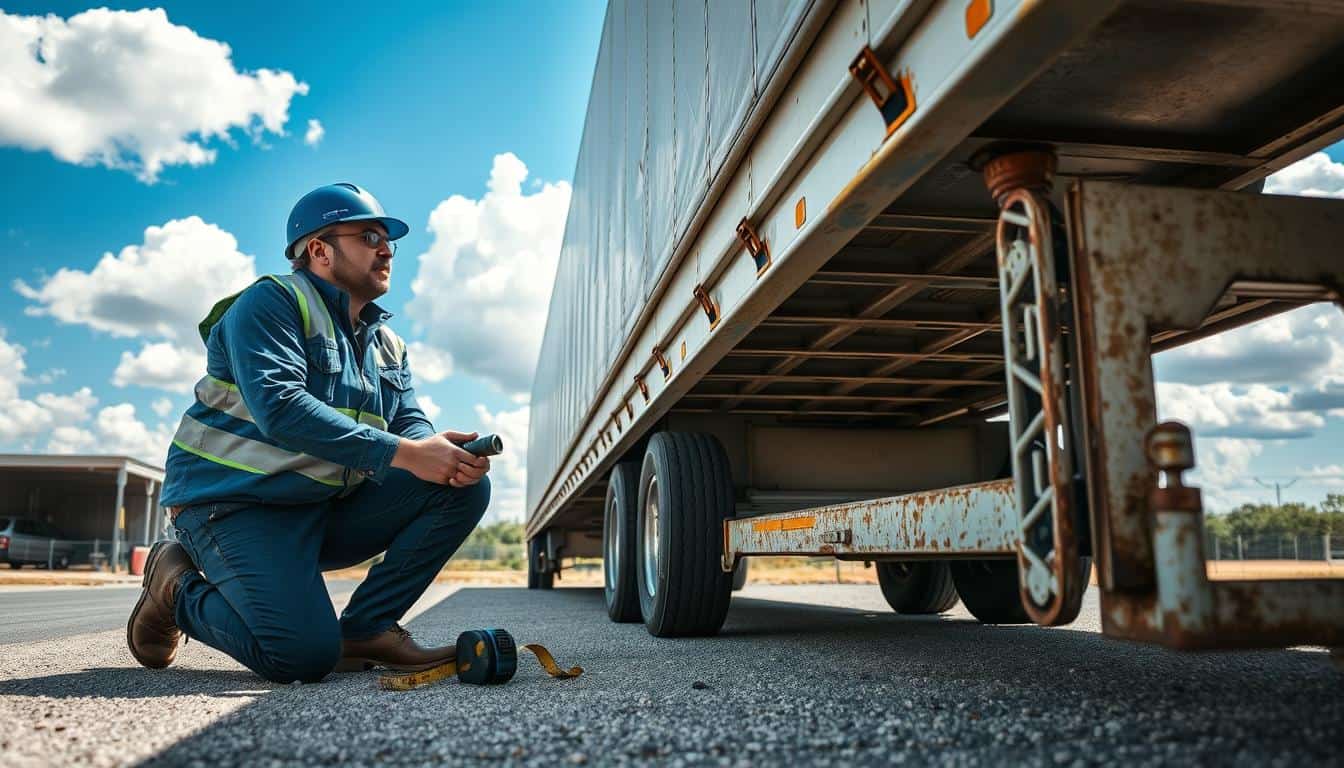
Hitting the open road across the United States is a dream for many adventure seekers. However, your journey depends entirely on the reliability of your equipment. Performing a professional trailer structural damage check is the most effective way to protect your financial investment and ensure your family stays safe.
Ignoring small issues often leads to unexpected mechanical failures that can ruin a perfectly planned vacation. By staying proactive, you gain peace of mind and avoid costly repairs down the line.
Understanding the basics of your vehicle’s health allows you to spot warning signs before they become major hazards. Let’s explore how you can keep your gear in top shape for every mile ahead.
Key Takeaways
- Regular inspections prevent costly roadside emergencies.
- Safety is the primary benefit of maintaining your equipment.
- Early detection saves you significant money on future repairs.
- A professional assessment provides long-term peace of mind.
- Consistent care extends the lifespan of your investment.
Understanding the Importance of Structural Damage Checks
Many owners overlook the importance of a professional trailer structural damage check until a major failure occurs. Maintaining the frame and chassis is not just about aesthetics; it is about ensuring your vehicle remains roadworthy. A proactive approach helps you catch small issues before they turn into expensive disasters.
Why Structural Integrity Matters for Trailers
The structural integrity of your trailer acts as the foundation for every load you carry. When the frame is sound, the trailer handles predictably, providing peace of mind during long hauls. A solid structure ensures that weight is distributed evenly, which protects your towing vehicle from unnecessary strain.
Investing in a regular trailer structural damage check is a smart way to protect your financial investment. When you keep detailed records of these inspections, you demonstrate that you are a responsible owner. This documentation is often vital when it comes time to sell or trade in your equipment.
Potential Risks of Ignoring Damage
Ignoring minor cracks or bends can lead to catastrophic failure while you are on the highway. Safety should always be your top priority, as compromised frames can cause the trailer to sway or lose control. Furthermore, insurance companies may deny claims if they determine that pre-existing structural damage contributed to an accident.
Professional assessments are essential for securing fair insurance payouts. Without a formal report, you might receive an inadequate settlement that fails to cover the true cost of high-quality repairs. Use the table below to understand the long-term impact of maintenance choices.
| Feature | Neglected Trailer | Maintained Trailer |
|---|---|---|
| Safety Risk | High potential for failure | Minimal risk |
| Insurance Claims | Often denied or reduced | Easily verified and approved |
| Resale Value | Significantly lower | High and stable |
| Repair Costs | Expensive emergency fixes | Predictable, minor upkeep |
Common Types of Trailer Structural Damage
Identifying potential damage early is the best way to prevent trailer damage before it becomes a costly repair. Many owners overlook the subtle signs of wear until a major failure occurs on the road. By learning to spot common trailer structural issues, you can ensure your equipment remains safe and reliable for every trip.
Frame Bending and Twisting
The frame serves as the foundation of your trailer, supporting all the weight you carry. Over time, heavy loads and uneven terrain can cause the metal to warp or twist. This distortion often happens slowly, making it difficult to notice without a professional inspection.
If you frequently travel over rough roads, the stress on the chassis increases significantly. Visible gaps or misaligned doors are often the first indicators that your frame has lost its original shape. Addressing these concerns quickly is vital to maintain the structural integrity of your vehicle.
Suspension Damage
Your suspension system absorbs the shock of the road, protecting both the trailer and your cargo. Constant exposure to potholes and heavy impacts can lead to worn springs, bent axles, or damaged bushings. When these components fail, the entire trailer may begin to lean or bounce uncontrollably.
Ignoring these signs often leads to uneven tire wear and poor handling during transit. Regular maintenance is the most effective way to catch these problems early. Always listen for clunking sounds or unusual vibrations while you are towing.
Issues with the Trailer Body
The body of your trailer is susceptible to environmental factors like moisture and road salt. Corrosion can weaken metal panels and fasteners, leading to structural instability over time. Small dents or cracks from minor impacts can also grow into larger problems if left untreated.
Keeping the exterior clean and inspecting for rust spots helps you prevent trailer damage effectively. A well-maintained body not only looks better but also protects the internal components from the elements. Staying proactive ensures your trailer stays in peak condition for years to come.
| Issue Type | Primary Cause | Warning Sign |
|---|---|---|
| Frame Distortion | Overloading | Misaligned Doors |
| Suspension Wear | Rough Terrain | Uneven Tire Wear |
| Body Corrosion | Environmental Exposure | Visible Rust Spots |
Signs Your Trailer Needs a Structural Check
Recognizing the subtle signs of trailer structural damage can save you from costly repairs and dangerous roadside emergencies. Every owner should perform a routine trailer structural damage check to ensure their equipment remains roadworthy. By staying observant, you can catch minor problems before they evolve into major safety hazards.
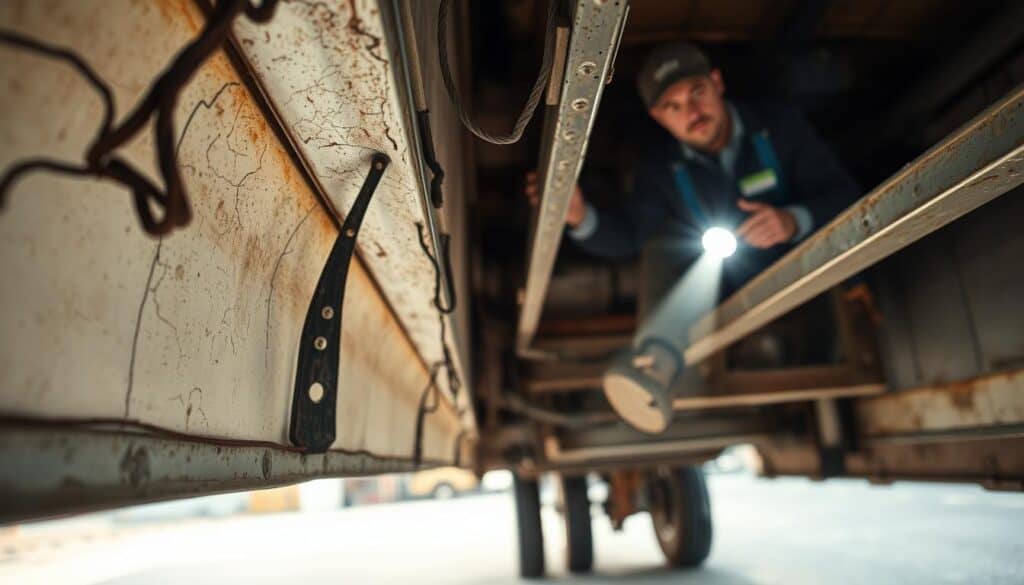
Visual Indicators of Damage
When learning how to check for trailer damage, start with a thorough walk-around inspection. Look closely for deep rust, stress cracks in the metal, or bent frame components. Flaking paint or bubbling surfaces often hide deeper corrosion that compromises the steel’s integrity.
Pay special attention to the welds and connection points. If you notice any separation or gaps, these are common trailer structural issues that require immediate professional attention. A clean, well-maintained trailer should show consistent alignment across all main beams.
Unusual Sounds When Towing
Your ears are often the first line of defense when you are on the road. If you hear persistent clanking, grinding, or metallic snapping noises while driving, your trailer is likely signaling a structural problem. These sounds often indicate that bolts have loosened or that a frame component is flexing under pressure.
“Safety is not just about the vehicle you drive, but the integrity of everything you tow behind it. Regular inspections are the foundation of a worry-free journey.”
Difficulty When Maneuvering
Handling issues are a major red flag that your trailer may have sustained internal damage. If you notice the trailer swaying excessively or pulling to one side, the frame might be twisted or the suspension could be compromised. Difficulty when maneuvering in tight spaces or during lane changes often points to underlying structural instability.
| Warning Sign | Potential Issue | Action Required |
|---|---|---|
| Visible Cracks | Metal Fatigue | Professional Welding |
| Excessive Swaying | Frame Misalignment | Structural Assessment |
| Grinding Noises | Suspension Failure | Component Replacement |
| Uneven Tire Wear | Axle Damage | Alignment Check |
MOTOEXPERT’s Approach to Structural Damage Checks
With over 25 years of experience in the European automotive field, MOTOEXPERT brings a unique perspective to every trailer safety inspection we perform. We understand that your equipment is a vital part of your business or lifestyle, and we treat every vehicle with the highest standard of care. Our goal is to provide you with total peace of mind through objective and transparent reporting.
Highly Trained Technicians
Our team consists of seasoned professionals who possess deep knowledge of trailer mechanics. They are trained to spot even the most subtle signs of trailer structural damage that might escape an untrained eye. By focusing on critical stress points, our experts ensure that no potential hazard goes unnoticed.
Comprehensive Inspection Process
We follow a rigorous, step-by-step protocol for every trailer safety inspection. This process is designed to document the exact condition of your trailer, creating a clear record for your maintenance history. We believe that transparency is the key to building long-term trust with our clients.
“Safety is not just about fixing what is broken; it is about identifying the hidden vulnerabilities before they become dangerous failures on the road.”
Use of Advanced Tools and Equipment
Standard visual checks are often insufficient for modern trailers. Our technicians utilize advanced diagnostic tools to peer beneath the surface and identify internal fatigue or hidden frame issues. This high-tech approach allows us to provide accurate assessments that keep you safe during every journey.
| Feature | Standard Visual Check | MOTOEXPERT Inspection |
|---|---|---|
| Diagnostic Tools | None | Advanced Scanners |
| Hidden Damage | Often Missed | Thoroughly Detected |
| Reporting | Verbal Only | Detailed Documentation |
| Technician Skill | General Knowledge | Specialized Training |
Preparing for a Trailer Inspection
Getting your trailer ready for a professional inspection is the best way to ensure a smooth and efficient service visit. By taking a few proactive steps, you allow our technicians to focus entirely on the technical condition of your equipment. Utilizing a comprehensive trailer inspection checklist helps you organize your thoughts and materials before you even leave your driveway.
Documentation and History to Provide
Proper documentation acts as the vital bridge between your daily observations and our professional solutions. We recommend gathering all relevant service records, including past repair receipts and maintenance logs. If your trailer has been involved in any previous accidents, providing those reports is essential for a complete structural assessment.
Having this history ready allows our team to identify recurring issues or patterns that might not be visible during a single walk-around. Following these trailer maintenance best practices ensures that we have the full context of your trailer’s life on the road. This transparency helps us provide more accurate recommendations for your specific needs.
Cleaning the Trailer Before Inspection
A clean trailer is much easier to inspect than one covered in road grime or debris. We suggest washing the frame and undercarriage to ensure that all structural components are clearly visible. When the surface is clean, it becomes significantly easier to spot hairline cracks, rust, or signs of metal fatigue.
Removing personal gear or cargo from the interior also provides our technicians with better access to critical support beams. Adhering to these trailer maintenance best practices saves time and prevents unnecessary delays during your appointment. By keeping your equipment tidy, you are essentially helping us perform a more thorough and reliable evaluation using your preferred trailer inspection checklist.
What to Expect During an Inspection
We believe that transparency is key, so here is a look at how we evaluate your trailer’s structural integrity. A professional assessment is a systematic and comprehensive check of your vehicle’s condition, ensuring that every critical point is addressed with precision.
Step-by-Step Breakdown of the Process
Our technicians follow a standardized trailer inspection checklist to ensure nothing is overlooked. This process is designed to identify hidden issues before they become major safety hazards on the highway.
- Exterior Bodywork: We examine the skin, rivets, and seals for signs of corrosion, dents, or stress fractures.
- Frame and Chassis: Our team looks for signs of twisting, bending, or fatigue in the main structural beams.
- Internal Components: We inspect the flooring, wall supports, and interior bracing to ensure the load-bearing capacity remains intact.
- Safety Systems: We verify that all lights, brakes, and coupling mechanisms function according to manufacturer specifications.
By following this method, we can determine how to check for trailer damage that might not be visible to the untrained eye. This thorough approach provides you with peace of mind knowing your equipment is ready for the road.
Estimated Time Required for Each Check
The duration of your trailer safety inspection depends on the size and complexity of your unit. While minor checks can be completed quickly, a full structural evaluation requires more time to ensure accuracy.
| Inspection Type | Estimated Time | Focus Area |
|---|---|---|
| Basic Visual Check | 30 – 45 Minutes | Exterior and Lights |
| Standard Structural | 1 – 2 Hours | Frame and Suspension |
| Comprehensive Audit | 3+ Hours | Full Chassis and Interior |
Planning your visit is easy when you know what to expect. We recommend scheduling your appointment in advance so our team can dedicate the necessary time to provide a detailed and accurate report on your trailer’s condition.
Cost Considerations for Structural Damage Checks
Managing the financial side of trailer maintenance is just as important as the physical upkeep of your vehicle. By understanding the potential costs involved, you can make informed decisions that keep your equipment safe and roadworthy for years to come.
Average Pricing for Inspections
The cost of a professional inspection typically varies based on the depth of the service provided. Most standard check-ups range from $150 to $400, depending on the facility and the level of detail required.
While this might seem like an extra expense, it is a proactive investment. Identifying signs of trailer structural damage early prevents catastrophic failures that would otherwise lead to much higher costs down the road.
“An ounce of prevention is worth a pound of cure when it comes to the structural integrity of your heavy-duty equipment.”
Factors Influencing Inspection Costs
Several variables determine the final price of your inspection. Technicians must account for the time and resources needed to provide an accurate assessment of your trailer’s condition.
- Trailer Size and Type: Larger trailers with complex axle configurations require more time to inspect.
- Complexity of Damage: If previous repairs were performed poorly, the inspection process becomes more involved.
- Age of the Unit: Older trailers often require a more granular look at metal fatigue and rust accumulation.
When you catch issues early, you gain access to a wider range of trailer structural repair options. This flexibility allows you to choose cost-effective solutions rather than being forced into expensive, emergency replacements.
After the Inspection: Next Steps
Navigating the results of a structural check can feel overwhelming, but we are here to help you understand the next steps. Once the assessment is complete, you will receive a comprehensive document outlining the health of your equipment. This report serves as your roadmap for maintaining safety and performance on the highway.
Understanding the Inspection Report
Your inspection report will highlight specific areas that require attention. It is important to look for notes regarding common trailer structural issues, such as hairline cracks in the frame or signs of metal fatigue. These findings are categorized by severity to help you prioritize your maintenance budget effectively.
Take the time to read through the technician’s comments carefully. If a specific component is marked as “critical,” it means that part needs immediate intervention to prevent further damage. Understanding these technical insights allows you to make confident decisions about your next move.
Repair Options Available
Once you have reviewed the findings, you can explore various trailer structural repair options tailored to your specific needs. Depending on the extent of the damage, you might choose between simple reinforcement or more extensive component replacement. Our goal is to provide solutions that restore your trailer to its original factory standards.
The following table outlines the typical approaches used to address structural concerns based on the severity of the findings:
| Damage Level | Typical Solution | Expected Outcome |
|---|---|---|
| Minor | Surface welding or rust treatment | Prevents future corrosion |
| Moderate | Reinforcement plating | Restores load-bearing capacity |
| Major | Component replacement | Ensures full structural integrity |
Choosing the right path depends on your trailer’s age, usage patterns, and the specific nature of the damage. We recommend discussing these options with a qualified technician to ensure the chosen repair method is both safe and cost-effective. Your safety remains our top priority throughout the entire repair process.
Regular Maintenance Tips for Trailers
Consistent upkeep is the secret to avoiding expensive structural repairs down the road. By incorporating simple trailer maintenance tips into your routine, you ensure that your equipment remains reliable for every haul. Taking small steps today saves you from major headaches tomorrow.
Preventative Measures to Avoid Structural Damage
The most effective way to prevent trailer damage is to keep the unit clean and free of debris. Salt, road grime, and moisture can lead to hidden corrosion that weakens the frame over time. Always wash the undercarriage thoroughly after driving on salted or muddy roads.
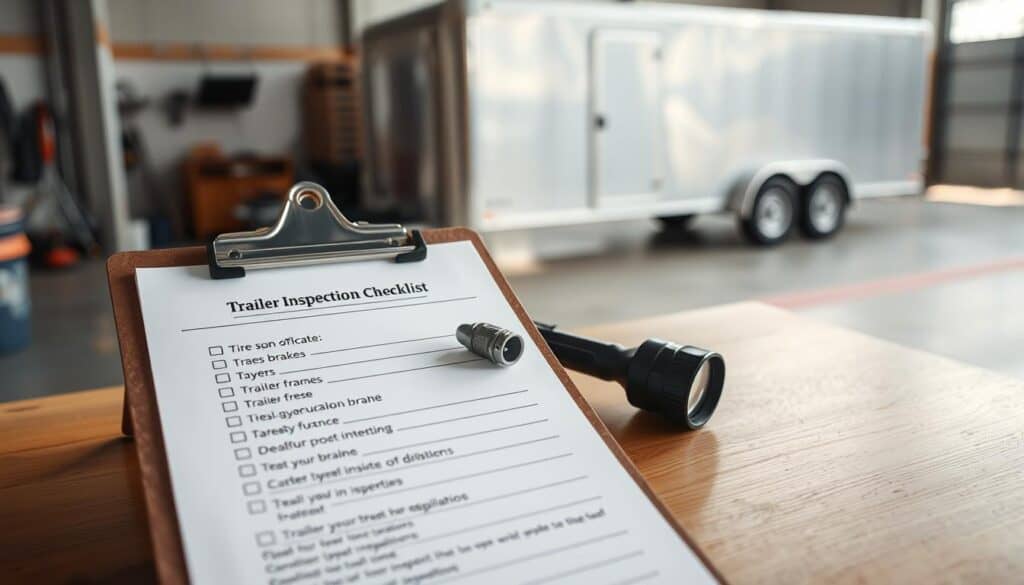
Regularly lubricating moving parts, such as hinges and suspension components, reduces friction and wear. You should also inspect the tires for uneven tread patterns, which often signal alignment issues that could stress the trailer’s structure. Keeping a consistent trailer inspection checklist helps you catch these minor concerns before they escalate into costly structural failures.
Recommended Maintenance Schedule
Adhering to trailer maintenance best practices requires a structured approach to your service intervals. Use the following table to organize your routine checks and keep your trailer in peak condition.
| Frequency | Task | Focus Area |
|---|---|---|
| Before Every Trip | Visual Inspection | Tires, Lights, and Hitch |
| Every 3 Months | Lubrication | Hinges, Latches, and Bearings |
| Annually | Deep Cleaning | Frame, Undercarriage, and Seals |
Following this schedule ensures that you stay ahead of potential issues. Consistency is the key to longevity, so do not skip these vital checks. When you treat your trailer with care, it will serve you faithfully for many years to come.
The Benefits of Regular Structural Checks
Regular structural assessments are the secret to keeping your trailer on the road for years to come. By staying ahead of potential issues, you ensure that your equipment remains reliable during every trip. Consistent trailer maintenance tips help you catch minor wear before it turns into a costly repair.
Enhanced Safety on the Road
Your primary goal when towing should always be the safety of your cargo and fellow drivers. A professional trailer safety inspection provides the peace of mind that comes from knowing your frame and suspension are in peak condition. When you prioritize these checks, you significantly reduce the risk of mechanical failure while traveling at high speeds.
Taking these steps allows you to identify hidden weaknesses that might not be visible during a quick walk-around. Consider these key safety advantages:
- Early detection of stress fractures in the chassis.
- Verification that all load-bearing components remain secure.
- Reduced likelihood of swaying or loss of control on the highway.
Increased Trailer Longevity
Proactive care is the most effective way to prevent trailer damage that could shorten the lifespan of your vehicle. When you address structural concerns early, you stop the progression of rust and metal fatigue. This commitment to quality maintenance ensures that your trailer remains a functional asset for much longer than one that is neglected.
Furthermore, maintaining a detailed record of your inspections is a great way to preserve resale value. Potential buyers appreciate knowing that the trailer has been cared for by professionals. Investing in your trailer’s health today pays off when it comes time to upgrade or sell your equipment.
Choosing the Right Service Provider for Structural Checks
Finding a reliable partner is the final step in securing your trailer’s future on the road. MOTOEXPERT brings over 25 years of experience in the European automotive field to every inspection. Their deep technical knowledge ensures you receive accurate guidance on how to check for trailer damage effectively.
What to Look for in an Inspection Service
Seek out providers who prioritize transparency and utilize modern diagnostic technology. A quality service center should offer clear insights into trailer structural repair options while keeping your budget in mind. Adhering to trailer maintenance best practices helps you avoid costly surprises during your travels.
Questions to Ask Before Committing
Ask potential technicians about their specific experience with your trailer model. Inquire about their certification process and the tools they use for structural assessments. Implementing consistent trailer maintenance tips will keep your equipment in top shape for years. Reach out to a trusted professional today to schedule your next evaluation and keep your cargo safe on every journey.
## FAQ
### Q: Why is a trailer structural damage check so critical for my safety?
A: Maintaining the structural integrity of your vehicle is vital for proper handling and overall road safety. At MOTOEXPERT, our experts emphasize that catching minor issues early prevents catastrophic failures during transit. Furthermore, a professional assessment is the only way to ensure your insurance claims are fair and cover the actual cost of high-quality trailer structural repair options.
### Q: What are the most common trailer structural issues I should be aware of?
A: The most frequent problems include frame bending, twisting, and suspension damage. Many of these issues are not visible to the untrained eye. During a trailer safety inspection, we use advanced diagnostic tools to identify these hidden flaws that could compromise the vehicle’s stability and lead to dangerous accidents.
### Q: How can I learn how to check for trailer damage between professional visits?
A: While a pro should always do the heavy lifting, you can look for signs of trailer structural damage like uneven tire wear, cracks in the welds, or the trailer “dog-tracking” (not following straight behind your truck). If you notice difficulty when maneuvering or hear unusual popping sounds while towing, it is time to schedule a visit with the technicians at MOTOEXPERT.
### Q: What should I include in my trailer inspection checklist before my appointment?
A: Proper preparation is key to a stress-free experience. You should gather all relevant maintenance logs and any previous accident reports. Additionally, one of the best trailer maintenance best practices is to thoroughly clean the exterior and undercarriage. This allows our team to focus on the technical aspects of the trailer structural damage check without being obstructed by road grime or debris.
### Q: What happens if the inspection reveals significant damage?
A: If our team identifies issues, we provide a transparent, step-by-step breakdown of the findings in a comprehensive report. We will then discuss the best trailer structural repair options available to you. With over 25 years of experience, MOTOEXPERT ensures you have the documentation needed to secure a fair settlement and get your trailer back to factory safety standards.
### Q: How do regular inspections help prevent trailer damage and save money?
A: Prioritizing preventative measures is much more cost-effective than dealing with a major failure on the highway. Following a consistent trailer maintenance best practices schedule increases the longevity of your vehicle and helps preserve its resale value. By catching small issues before they escalate, you avoid the stress of unexpected incidents and ensure peace of mind on every journey.
### Q: Why should I choose MOTOEXPERT for my trailer evaluation?
A: Selecting the right provider is essential for an accurate assessment. MOTOEXPERT brings over two decades of technical expertise and industry certifications to every job. Our highly trained technicians use a systematic process to evaluate both the exterior bodywork and internal components, ensuring nothing is overlooked during your trailer safety inspection.
### Q: What are some essential trailer maintenance tips for new owners?
A: Beyond professional checks, always monitor your load distribution to avoid straining the frame. Regularly inspect the floorboards and hitch assembly for signs of wear. Staying proactive with these trailer maintenance tips and scheduling an annual trailer structural damage check are the best ways to ensure your trailer remains a reliable partner for years to come.
Likwidacja szkody: samodzielnie czy z MOTOEXPERT?
Porównaj, zanim ubezpieczyciel zdecyduje za Ciebie.
| ✗ Samodzielnie (kalkulator / AI ubezpieczyciela) | ✓ Z MOTOEXPERT + rekomendowany Adwokat |
|---|---|
| Wycena rzeczoznawcy ubezpieczyciela — interes płatnika, ryzyko zaniżenia | Niezależna certyfikowana opinia techniczna — pełny kosztorys wg stawek rynkowych |
| Pominięte pozycje: utrata wartości, auto zastępcze, holowanie | Komplet roszczeń: utrata wartości pojazdu, auto zastępcze, koszty dodatkowe |
| Samotne negocjacje z ubezpieczycielem, bariera językowa | Obsługa po polsku + rekomendowany Fachanwalt für Verkehrsrecht do reprezentacji prawnej |
| Sztuczna inteligencja nie stanie za Tobą w sądzie — koszt błędu ponosisz Ty | Szkoda z OC sprawcy w Niemczech przy jednoznacznej odpowiedzialności: uzasadnione koszty rzeczoznawcy co do zasady pokrywa ubezpieczyciel sprawcy (§ 249 BGB) |